Oman Oil Price Ups after Attacks on Saudi Energy Sites

The official selling price of Oman crude surged 11.5% on Tuesday to its highest level since April, as attacks on Saudi energy facilities and escalating tensions between the US and Iran heightened concerns over oil supply from the Middle East.
Oman crude for November delivery jumped US$11.99 to settle at US$116.53 per barrel, according to data from the Gulf Mercantile Exchange (GME). It was the strongest single-day increase in recent years and pushed the benchmark to its highest level since April 2026.
The sharp rise came as global oil prices also climbed on growing concerns over supply disruptions in the region, particularly amid slower oil shipping through the Strait of Hormuz and rising tensions between the US and Iran.
By 08:00 GMT on Tuesday, Brent crude had risen 2.06% to around US$99 per barrel, while US benchmark West Texas Intermediate (WTI) was trading at US$94.41, up 3.2%.
The latest gains in oil prices followed attacks on energy facilities in Saudi Arabia’s southern region bordering Yemen.
Saudi Arabia temporarily halted some operations at energy facilities in the area after the attacks on Tuesday morning, the official Saudi Press Agency reported.
“Several energy sector facilities and installations in the southern region of the Kingdom were targeted this morning,” the agency said, quoting an official source at the Ministry of Energy.
The attacks caused fires at several locations, resulting in a temporary halt to some operations, the report said.
The developments have added to concerns about the security of energy infrastructure and oil shipments in the Gulf at a time of heightened regional tensions.
The attacks also came after Iran warned that US oil and gas assets in the Gulf could be vulnerable to retaliation following exchanges of fire and strikes involving the US and Iran over the weekend.
Meanwhile, the monthly average price of Oman crude for September 2026 delivery stood at $76.36 per barrel, down $2.73 from the average delivery price for August, GME data showed.
10/09/2026
Desalination Plant Goes Operational in Iran's Assaluyeh

Simultaneously with the visit of Energy Minister Abbas Aliabadi to Bushehr Province, a 1,000 cubic meter desalination plant in Asaluyeh County was officially inaugurated on Tuesday in a ceremony attended by the Governor of Bushehr and the representative of the counties of Kangan, Dayyer, Jam, and Asaluyeh, aimed at meeting part of the county's water needs.
According to IRNA, the CEO of Bushehr Province Water and Wastewater Company stated at the inauguration ceremony: "This project has been implemented with a final capacity of 5,000 cubic meters of water production per day, of which the first phase – 1,000 cubic meters – has been brought into operation."
Ali Bardestani added: "For this project, 1,000 meters of water transmission pipeline, 1,500 meters of power lines, and a 100-cubic-meter storage reservoir have been constructed. Approximately 4,200 subscribers will benefit from the water produced by this desalination plant."
He noted: "This project has been on the agenda since 2023 (1402), and with the commissioning of its first phase, part of Asaluyeh County's water shortage will be alleviated."
The CEO of Bushehr Province Water and Wastewater Company stated that Asaluyeh faces a drinking water deficit of 237 liters per second, and the newly operational desalination plant will address 58 liters per second of this shortfall.
Bardestani added: "Additionally, considering the county's water needs, a water supply project through wells and eight projects in the areas of water distribution and consumption management are also underway. These measures are collectively planned to reduce and compensate for part of the region's water deficit."
Also, representative of the counties of Dayyer, Kangan, Asaluyeh, and Jam, expressing gratitude to the Energy Minister, the Governor of Bushehr, the Ministry of Energy, and officials of the Pars Special Economic Energy Zone for following up and removing obstacles to the project's implementation, stated: "Asaluyeh, as the industrial heart of the country and one of the most important economic hubs, has faced water supply problems for years."
Hojjatoleslam Sheikh Musa Ahmadi added: "Through follow-ups and cooperation with the Ministry of Energy, Bushehr Governor's Office, and the Pars Special Economic Energy Zone, the necessary permits for the Asaluyeh desalination plant were issued, and obstacles regarding the project's power supply were also resolved."
He continued: "The final capacity of the Asaluyeh desalination plant is 5,000 cubic meters per day, and it is expected that, given the needs of the region's population and industries, the production capacity will be increased to 7,000 cubic meters per day in the future."
Ahmadi emphasized: "Ensuring sustainable water supply for the people and industries of Asaluyeh is a fundamental necessity for the county's development, and the commissioning of this project can be an important step in reducing the region's water problems."
Energy Minister Aliabadi, in response to the request made by the representative of Bushehr's southern counties in the Majlis to increase the desalination plant's capacity to 7,000 cubic meters, gave a favorable commitment.
The CEO of Bushehr Province Water and Wastewater Company also announced that construction of the Dayyer desalination plant, with a production capacity of 3,750 cubic meters of water per day, has reached 50% progress and is scheduled to be operational by February 2026 (Bahman 1405).
Ali Bardestani, speaking on Tuesday on the sidelines of the Energy Minister's visit to the project, told IRNA: "For this project, 7,500 meters of water transmission pipeline and 10,000 meters of power transmission lines will be constructed, and the water storage reservoir volume is 400 cubic meters."
The CEO of Bushehr Province Water and Wastewater Company continued: "The water produced by this desalination plant will be delivered to the 10,000-cubic-meter storage reservoir in Deyr County, and the project will cover approximately 30,000 people."
Bardestani stated: "It is estimated that with the commissioning of the Deyr desalination plant, about 7,500 subscriptions will benefit from the project."
Regarding the Siraf desalination plant, he said: "This project is currently operational with a capacity of 10,000 cubic meters, and with private sector participation and investment, its production capacity will be increased to 23,000 cubic meters."
The CEO of Bushehr Province Water and Wastewater Company added: "Increasing the capacity of the Siraf desalination plant will play an important role in ensuring and improving the sustainability of drinking water for residents of the region, especially in Jam County."
Bardestani said: "In this regard, suitable facilities have been provided for the private sector investor to accelerate the project's implementation, so that the capacity increase of the Siraf desalination plant can be brought into operation in a timely manner."
He emphasized: "Expanding desalination plant capacity and utilizing private sector capabilities are important strategies for strengthening drinking water supply infrastructure and increasing the sustainability of the water distribution network in various regions of Bushehr Province." - Tehran Times
10/09/2026
Ministry Urges Efforts to Promote Iran as Tourism Destination

A deputy minister called for stronger promotion of Iran’s tourism potential in international markets, saying advertising and marketing can change perceptions and present Iran as an attractive destination. In comments on Sunday, Iran’s Deputy Tourism Minister Anoushirvan Mohseni Bandpay highlighted the country’s historical, climatic, natural and health tourism capacities, stressing the need to use them to attract more foreign visitors. He said Iran had been among the 16 countries recording growth in foreign tourist arrivals from December 2024 to March 2025, according to the World Tourism Organization.
He added that foreign tourist arrivals increased by 48.5% in Farvardin 1404 (March-April 2025) compared with the corresponding period a year earlier. The official identified restrictions on Iranian airlines as a major obstacle to attracting foreign tourists, saying the situation is now improving. He also expressed hope that plans developed for wartime, a neither-war-nor-peace situation, and peacetime would help create favorable conditions for attracting foreign visitors. - Kayhan
10/09/2026
Saudi Red Sea Destination Begins Operations with Giant Off-Grid Renewable Energy System
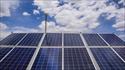
Saudi Arabia’s Red Sea tourism destination has begun commercial operations of what its developers describe as the world’s largest integrated off-grid utilities system, powered entirely by renewable energy, marking a new phase in the development of the multibillion-dollar destination.
Red Sea Global and ACWA Power announced the Project Commercial Operation Date for the utilities project serving The Red Sea destination, the Saudi Press Agency has reported.
The milestone followed the signing of a Commercial Operation Certificate by Marafiq Red Sea for Energy Co., the project company established by ACWA Power in partnership with SPIC Huanghe Hydropower and Saudi Tabreed, and the Red Sea Utilities Company, a subsidiary of Red Sea Global.
The agreement formally begins a 25-year concession period for the project and marks the start of commercial operations for a fully integrated utilities system that operates without a connection to Saudi Arabia’s national electricity grid.
The system currently supplies hotels operating at The Red Sea destination, Red Sea International Airport, a logistics hub, a fleet of electric vehicles, a staff village and other community and operational facilities.
Developed through a long-term partnership between Red Sea Global and the ACWA Power-led consortium, the project combines five core services in a single system: renewable energy, potable water, wastewater treatment, district cooling and waste management.
Electricity is generated by a 340-megawatt alternating-current solar photovoltaic plant integrated with a battery energy storage system with a capacity of 1,227 megawatt-hours.
The developers said the battery facility is the world’s largest off-grid battery storage system, allowing the destination to continue receiving renewable power after sunset.
The system was designed to meet the destination’s initial energy needs and can be expanded as future phases come online. It is capable of generating up to 760,000 megawatt-hours of clean electricity annually, helping avoid an estimated 600,000 tonnes of carbon dioxide emissions each year.
The utilities project also includes three seawater reverse-osmosis desalination plants, a waste management center and a sewage treatment plant with a capacity of 16,000 cubic meters per day.
Treated wastewater will be used to support the surrounding natural environment, including the creation of new wetlands, while also providing irrigation water for Red Sea Global’s landscape nursery and landscaping around the Shura Links golf course.
A district cooling system also serves the destination.
The commercial operations milestone represents a significant step in Saudi Arabia’s efforts to develop large-scale tourism projects using renewable energy and infrastructure designed to operate independently of the national grid, SPA reported.
10/09/2026
Brent Surpasses US$100 Mark as ME Tensions Surge

Benchmark Brent crude oil futures rose past US$100 a barrel on Wednesday, hitting a more than six-week high and breaching the symbolic threshold for the first time since July 24 as intensifying conflict in the Middle East heightened concerns about oil flows from the region.
Brent crude futures were up US$2.01, or 2.05%, at US$99.93 a barrel by 0802 GMT, after earlier touching US$100.19, while U.S. West Texas Intermediate crude was up US$1.49, or 1.60%, at US$94.52 a barrel.
Brent crude prices have risen by a quarter since early last month as hopes fade for a permanent resolution to the six-month-old U.S.-Iran conflict.
Since the Iran war began on February 28, Brent has surged as high as US$126.41 a barrel, a peak reached on April 30.
This week, attacks by Iran-backed Houthis on Saudi energy facilities set oil installations ablaze, threatening a significant expansion of the conflict.
The attacks also threaten crude shipments via the Red Sea, which has been a key alternative route to the crucial Strait of Hormuz, where oil flows have been severely curtailed since the February 28 start of the Iran war.
SUPPLY RISKS MOUNT
"Market participants appear to be pricing in a more prolonged conflict in the Middle East as well as the risk that the latest escalation in military strikes disrupts oil flows from the Middle East," said Hamad Hussain, senior climate and commodities economist at Capital Economics.
"The key risk is whether the recent attacks on oil tankers lead to fewer ship-to-ship transfers taking place in the Gulf of Oman, which have so far played a key role in providing oil to global markets and keeping a lid on prices."
A growing number of banks, including Goldman Sachs, Bank of America and HSBC, have raised their crude price forecasts in recent days.
In the week before a resumption in fighting on August 30, roughly 8 million to 9 million bpd had flowed through Hormuz, double the previous week's volume, according to Rystad Energy's Chief Economist Claudio Galimberti, although more recently it had fallen below 2 million bpd.
"I think the market is trying to treat this rise in energy prices as a one-off. It's not. This is structural. It's not going away, and it's part of what I would argue as a security premium. And it's only going to get bigger," said Jeffrey Currie, co-chairman at Abaxx Markets.
While non-OPEC oil producers including the United States, Canada and Guyana have ramped up output, the International Energy Agency said last month it expected global oil supply would fall this year by 4.3 million bpd, or about 4%.
10/09/2026
PetroBakr Reports Drilling, Investment in Egypt in FY 2025/2026
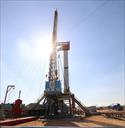
PetroBakr Petroleum Company, a joint venture (JV) between the Egyptian General Petroleum Corporation (EGPC) and Vaalco Energy, drilled 11 wells as part of its drilling plan and invested US$74.19 million during fiscal year (FY) 2025/2026, Chairman Khaled Mounir said during the company’s General Assembly meeting to approve its annual results.
Mounir reviewed the company’s efforts to sustain and increase production from the PetroBakr and South Ghazalat areas, including drilling, workover, and completion activities, as well as projects to connect wells to renewable energy sources.
He highlighted the contribution of these projects to reducing expenditures and conventional fuel consumption, as well as lowering emissions. The company also achieved 2.8 million safe working hours during the fiscal year.
PetroBakr is also reassessing the South Ghazalat area in cooperation with EGPC, with the evaluation expected to be completed by September 2026, Mounir added. One well has been drilled in the area, while three exploration opportunities are currently under evaluation.
As he chaired the meeting, Salah Abdel Kerim, CEO of EGPC, praised the efforts of PetroBakr’s employees and joint partners, noting that there are still opportunities for cooperation to increase production from the concession areas.
Speaking via video conference, Iman Hill, Country Manager and Managing Director of Vaalco Energy Egypt, highlighted the continued cooperation between the company and EGPC, saying it has supported the improvement in performance achieved over the past two years.
She said this cooperation has created an environment of “true partnership,” built on mutual trust and respect, allowing the partners to move forward together.
Hill stressed that safety is “a continuous journey that never stops,” adding that the company aims to continue growing production.
She noted that a recently completed project to identify all available opportunities within the company’s exploration acreage is expected to generate additional drilling opportunities in 2027.
Production has reached 11,871 barrels, its highest level in some time, Hill said.
Hill also expressed her delight with the start of the electricity connection project and the study of further opportunities to increase the use of renewable energy sources, including solar power, as well as exploring opportunities to expand gas-fired power generation to sustainably reduce diesel costs and emissions.
Vaalco Energy operates in Egypt across two main regions. In the Eastern Desert, its operations cover the West Gharib, West Bakr, and North West Gharib merged concessions, while in the Western Desert, the company operates in the South Ghazalat concession.
The US-based company drilled 18 wells in Egypt in 2025, excluding exploration dry wells. This included the successful H-Field exploration well, which opened the potential for a new development area.
Vaalco resumed its 2026 drilling program in May, with ongoing drilling, workover, and recompletion activities supporting production optimization and growth in Egypt.
10/09/2026
Abu Dhabi-Based Mubadala Energy Cuts Greenhouse Gas Emissions in 2025

Mubadala Energy, the Abu Dhabi-headquartered international energy company, has published its 2025 Sustainability Report, highlighting progress across environmental, social and governance (ESG) performance, including significant reductions in greenhouse gas emissions and stronger social and governance outcomes.
The company reported a 30.9 per cent reduction in Scope 1 and 2 greenhouse gas emissions across its operated assets in 2025.
Average emissions intensity fell by 12.4 per cent, while flared gas intensity across the operated portfolio declined by 33.9 per cent.
Adnan Bu Fateem, Acting CEO of Mubadala Energy, said: “The global energy landscape is entering a defining chapter, as rising demand intersects with geopolitical uncertainty, affordability, energy security and sustainability.
Bu Fateem added: “Under the theme ‘Energising the Next Chapter’, our 2025 Sustainability Report reflects how we are aligning responsible growth with continued ESG progress. In 2025, we reduced emissions intensity, maintained zero spills and zero fatalities since inception, strengthened ESG governance, and continued investing in our people and young talent.”
He concluded: “We also invested more than AED2.3 million (US$626,276) in community programmes, building on a positive impact that has reached more than one million people in the last decade. As we enter our next chapter of growth, our focus remains on growing safely and responsibly, while creating long-term value for our shareholder, partners, host governments and communities.”
Mubadala Energy attributed the environmental improvements to enhanced operational performance, continued decarbonisation initiatives and the divestment of the Ruby asset in Indonesia in August 2025.
Social performance also remained a key focus. The company maintained its record of zero fatalities since inception and delivered an average of 8.95 training days per employee.
Its workforce represented 38 nationalities, while women accounted for 32 per cent of employees, up from 28 per cent in 2024.
Female representation in middle management increased from 18 per cent to 28 per cent during the year, marking further progress in workplace diversity.
The company also strengthened its ESG governance framework and continued evaluating alignment with IFRS S1 and S2 standards.
Mubadala Energy reported no data breaches for the seventh consecutive year, supporting its focus on transparency, accountability and responsible decision-making.
10/09/2026
Oman Joins IPHE

Oman, represented by the Ministry of Energy and Minerals, has joined the International Partnership for Hydrogen and Fuel Cells in the Economy (IPHE), strengthening the sultanate’s engagement in the global hydrogen sector.
The IPHE is an international government-to-government partnership that seeks to facilitate and accelerate the transition to clean and efficient energy and mobility systems through hydrogen and fuel cell technologies.
Oman’s accession is expected to enhance international cooperation in green hydrogen and support the development of a sustainable energy system, while reinforcing the sultanate’s position in the hydrogen and its derivatives sector.
The membership also supports the objectives of Oman Vision 2040, particularly in economic diversification, innovation and sustainability, by enhancing the country’s participation in the emerging global hydrogen economy.
Through the partnership, Oman will have greater opportunities to cooperate with member states and benefit from international best practices in policy development, regulatory frameworks and technical standards. This is expected to support the growth of the domestic hydrogen sector and facilitate the integration of local projects with international markets.
The partnership will also provide a platform for cooperation on green hydrogen value chains, the harmonisation of standards, specifications and safety requirements, and the development of international trade in hydrogen and its derivatives. Such cooperation could help build greater international consensus and accelerate the safe and cost-effective deployment of hydrogen and fuel cell technologies.
Oman will also be able to participate in joint research, development and innovation programmes, as well as pilot projects and international initiatives focused on capacity building and the development of specialised skills. These efforts will help build the expertise needed to support the growth of the hydrogen economy and attract high-quality investment.
In a statement to Oman News Agency, H E Salim bin Nasser Al Aufi, Minister of Energy and Minerals, highlighted the importance of Oman’s accession to IPHE and the country’s commitment to contributing to international cooperation in hydrogen.
H E Al Aufi said Oman aims to establish a competitive global green hydrogen economy and, through its membership of IPHE, contribute to international efforts to drive innovation, strengthen cooperation, develop national talent and advance the policies and standards needed for a resilient and sustainable global hydrogen market.
Paulo Emilio Valladao de Miranda, President of the IPHE, welcomed Oman’s accession, noting that the partnership continues to expand as more countries commit to developing the global hydrogen economy.
He said Oman’s ambitious plans for low-emission hydrogen, strong renewable energy potential and focus on large-scale production and export opportunities made it a valuable addition to the partnership.
Oman also brings significant expertise and insights in areas including infrastructure, international markets, and policy and standards development, he said, adding that these capabilities would contribute to building a resilient and sustainable global hydrogen economy.
10/09/2026
Projects Approved to Increase Iraq’s Refining Output
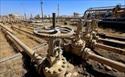
Iraq has approved projects to expand the refineries in Diwaniyah and Maysan governorates by around 140,000 barrels per day (bpd) within a strategy to maximise output, cut imports and meet growing domestic demand, the oil ministry has said.
The plan includes an integrated project to develop the Diwaniyah refinery by establishing a specialised refining unit with a capacity of up to 70,000 bpd, along with attaching it to modern and advanced units for hydrogenation and improving the quality of gasoline, the ministry’s spokesman Salim Al Rukabi said.
Another project involves the expansion of the Maysan refinery, which also includes adding a new refining unit with a capacity of 70,000 bpd in addition to implementing similar development programs aimed at modernising and raising the efficiency of the rest of the existing national refineries, he said, quoted by the state news agency.
“These projects aim to maximise refining capacities, improve the levels and quality of oil products offered in the markets, and enhance the operational ability of the Ministry to meet the growing needs of the local market with high efficiency that ensures the stability of the energy sector in the country,” he said.
10/09/2026
Egypt Upstream Gateway Showcases South East Bir El Nus Block
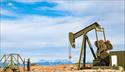
The Egypt Upstream Gateway (EUG) has released a video overview of the South East Bir El Nus block in the Western Desert, one of the 14 blocks included in the Ministry of Petroleum and Mineral Resources (MoPMR)’s 2026 international bid round, launched on August 11. The names of the blocks on offer were not revealed back then.
South East Bir El Nus block covers an area of 1,528.7 square kilometers (km2), where three wells have been drilled to date. It lies within the Abu Gharadig and Ghorab geological basins. The nearest production facility is located 88 km from the block, while nearby fields include Sitra, BED-2, BED-3, and South Ras Qattara 1 and 2.
The ministry’s 2026 bid round contained 14 oil and gas exploration blocks comprising eight in the Mediterranean Sea, Nile Delta, and North Sinai regions offered by the Egyptian Natural Gas Holding Company (EGAS) as well as six blocks in the Gulf of Suez, Sinai, and Western Desert regions offered by the Egyptian General Petroleum Corporation (EGPC).
The deadline for all the blocks is on November 11, 2026, at 12 p.m.
Egypt Upstream Gateway (EUG) is the country’s first digital platform for the upstream sector, launched by the Egyptian Ministry of Petroleum in collaboration with SLB in February 2021. The platform aims to help de-risk exploration prospects and attract new investments to Egypt.
10/09/2026