Smart Energy Management System to Boost Oversight of Iran's Oil Chain
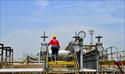
The Oil Ministry has taken solid steps to build up its information infrastructure, and a comprehensive smart energy management system could bring transparency and precise oversight to the oil sector's supply chain, from production to consumption, a member of parliament's Plan and Budget Committee said.
Rahim Zare said the Oil Ministry is required to establish the system through two components: a data and information bank, and the installation of smart electronic mass-measurement devices along pipelines, storage tanks, warehouses and other points across the oil industry. He said the setup would allow real-time monitoring of crude oil, gas, gas condensates, oil products, gas products and petrochemical goods at every stage — from extraction and production through transfer, storage, consumption and export.
Zare said the system could increase transparency across the country's energy chain, strengthen oversight, reduce statistical errors, cut down on wasted resources, and help combat smuggling and diversion of petroleum products. He added that it could also support more accurate decision-making in energy policy.
The lawmaker said achieving smart governance and data-driven decision-making in the energy sector depends on completing such infrastructure. He said the use of smart, online systems has become a requirement for managing national resources, noting that more accurate and up-to-date information for responsible agencies translates into greater capacity for planning and oversight.
Zare reiterated that the Oil Ministry has already taken appropriate measures to develop its information infrastructure. - Shana
30/07/2026
TPO Plans to Review Regulations to Remove Barriers to Iran's Production, Trade
The head of Iran's Trade Promotion Organization (TPO), while emphasizing the need for continued interaction between the government and the private sector and the improvement of business processes, announced the organization's plan to amend and review trade-related regulations, remove domestic obstacles, and strengthen trade guarantee infrastructure with private sector participation.
According to the Public Relations Department of the TPO, Mohammad-Ali Dehghan Dehnavi, at a meeting of the board of representatives of the Tehran Chamber of Commerce, referred to the importance of government-private sector interaction and said: The purpose of holding these meetings is to hear the concerns and suggestions of economic actors and find common solutions to reform and improve business processes.
Referring to some existing challenges in the field of foreign trade, he said: Part of the problems of economic actors are related to processes and systems managed by various bodies, and it is necessary to clearly define the scope of duties and responsibilities of each body and strengthen coordination among relevant bodies. Stating that some economic actors conflate the Comprehensive Trade System and the TPO, he said: These two entities are fundamentally different in nature and duties; Iran's TPO plays a role in some subsystems of the Comprehensive Trade System, but its share in its overall management is limited. According to Dehghan Dehnavi; the Comprehensive Trade System is a collection of various subsystems in numerous bodies, and disruption in any of these subsystems can affect the trade process; and there is a view that these problems can be solved by referring to the organization, while the disruption may be related to other bodies; therefore, not all problems and disruptions of this system are necessarily related to the TPO.
The head of the TPO identified determining the priority of currency allocation, currency optimization, and currency quotas as the three main axes of the Ministry of Industry, Mining and Trade's role in the Comprehensive Trade System, and added: The process of determining the priority of currency allocation is carried out in a rule-based manner, and efforts have been made to base decisions on specific frameworks and indicators.
Dehghan Dehnavi also stated, referring to the currency optimization policy: This policy is implemented with the aim of managing foreign currency resources and regulating the import volume of certain goods, and the organization's plan is to move towards reducing restrictions and focusing this mechanism on essential commodity groups; although the limitation of foreign exchange resources has affected the implementation of this plan. The currency quota is also determined with the aim of managing the import volume of economic actors within the framework of the country's resources and policies, and efforts are made to facilitate and clarify processes as much as possible while maintaining discipline in resource management. The head of the TPO, referring to the country's foreign currency resource conditions, said: Resource management is carried out with the priority of supplying essential goods and those needed by the production sector, and through interaction and coordination with the Central Bank and utilizing existing capacities, including foreign exchange resources obtained from exports, efforts have been made to supply part of the country's foreign exchange needs.
Referring to the problems of economic actors in the trade sector, he stated: A significant portion of economic actors' referrals to the TPO are related to obstacles arising from regulations, banking processes, financing, currency allocation, and currency obligations, and in some cases, these issues have turned into a complex cycle that requires coordination among relevant bodies and process reform.
The head of the TPO, emphasizing the role of sanctions in creating problems for the country's foreign trade, said: The private sector in recent years has found its own solutions to overcome the limitations caused by sanctions, but these paths have imposed more costs on the country's economy, and any action to reduce the limitations caused by sanctions can be a significant achievement for the country.
Dehghan Dehnavi considered one of the most important duties of the TPO to be the amendment and approval of regulations with the aim of reducing domestic obstacles, and said: In the new structure of the organization, the issue of regulations will be pursued with greater focus, and a special specialized capacity has been created to review, amend, and facilitate trade-related regulations.
He further emphasized the need to review some regulations related to the repatriation of export currency and added: The purpose of amending these regulations is not to weaken the repatriation of export currency, but rather mechanisms should be designed in such a way that, while maintaining the return of currency to the country's economic cycle, they also serve as incentives and facilitators for exporters' activities.
The head of the TPO also, emphasizing the need to strengthen guarantee infrastructure in the trade sector, proposed: The private sector, with the participation of chambers of commerce, should take action to establish a specialized institution in the field of guarantees to cover the needs of economic actors for various commercial, customs, and banking guarantees.
According to the Deputy Minister of Industry, Mining and Trade; establishing a guarantee institution using the financial capacities of the private sector and chambers of commerce can create significant capacity for issuing guarantees and provide the services needed by economic actors domestically and even in the field of international trade.
Dehghan Dehnavi concluded by emphasizing the continuation of dialogue and cooperation with the private sector and said: The goal of the TPO is to reduce domestic obstacles, facilitate business processes, amend regulations, and provide more suitable conditions for the activities of producers, exporters, and importers, and the realization of these goals requires the participation and cooperation of the private sector. - Tehran Times
30/07/2026
CNCEC General Manager Meets with Egyptian Minister of Petroleum
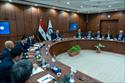
Karim Badawi, Minister of Petroleum and Mineral Resources, met with Deng Zhaojing, General Manager of China National Chemical Engineering Group (CNCEC), and the accompanying delegation to discuss accelerating several local strategic projects, especially the Soda Ash production project in New Alamein and the Red Sea National Petrochemicals Company complex in the Suez Canal Economic Zone (SCZone).
Beside the two projects, Zhaojing said the group is investing in several petrochemical operations in Egypt, related to metallic silicon and bio-ethanol. He added that the group has been operating in Egypt for nearly 20 years.
The meeting was attended by Alaa-Eldin Abdel-Fattah, Chairman of the Egyptian Petrochemicals Holding Company (ECHEM); Rasha Ramadan, ECHEM Vice Chairman for Financial and Economic Affairs; Mahmoud Nagi, Undersecretary for Safety, Environment, Energy Efficiency, and Climate and Official Spokesperson for the Ministry; and Mohamed El-Bagoury, Head of the Central Administration for Legal Affairs at the Ministry.
Under the oversight of ECHEM, the soda ash production complex in the New Alamein City Industrial Zone is moving forward with investments exceeding $680 million. Implemented with China’s Tianchen Engineering Corporation (TTC), the project should be completed by mid-2027, producing 600,000 tons of soda ash annually to localize high-value chemical industries and reduce the national import bill.
The Red Sea Petrochemicals Complex in SCZone is designed to produce a range of petrochemical products through an advanced oil refinery and steam cracking units, enabling the production of ethylene and propylene.
30/07/2026
Top US Oil Trade Group Opposes Hormuz Tolls
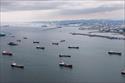
The American Petroleum Institute opposes tolls or transit fees for vessels crossing the Strait of Hormuz, the top U.S. oil industry trade group's chief executive Mike Sommers told Reuters in an interview on Tuesday.
Reuters reported that Oman has presented Iran with a plan backed by GCC states to manage the Strait of Hormuz, which includes Tehran collecting voluntary fees from vessels using the waterway, according to a GCC source and a Western diplomat.
Here are some more details:
"I think it's unlikely that we would support any kind of new tolling authority, particularly one that's backed up by the threat of more bombing in the Strait of Hormuz," Sommers said. Iran has maintained a chokehold on the Strait since the United States and Israel began bombing the country in February, sending oil prices soaring. Increasing vessel movements through the strait will be key to returning oil markets to normalcy, but Iran must not be allowed to control the waterway, Sommers said. The U.S. and other top oil consumers have been drawing crude and fuel from inventories at a record pace.
The U.S. Congress should consider investing in upgrading the U.S. Strategic Petroleum Reserve, Sommers said, noting that SPR caverns were designed for fast drawdowns but are difficult to refill and maintain. Congress should also consider opening new SPR sites along the U.S. West Coast, an idea President Donald Trump's administration considered prior to the start of the Iran war, Sommers said.
30/07/2026
Central Bank of Libya Announces Fund Allocation to Tackle Cash Shortage
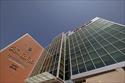
The Central Bank of Libya has announced it will inject US$1 billion next week to finance letters of credit, alongside another US$1 billion allocated for personal foreign currency allowances and online booking requests. Banks will also extend their working hours to facilitate cash US dollar sales.
The bank also announced the launch of the first phase of its August plan, which includes injecting LYD 5 billion (US$780 million) into commercial banks to improve cash availability for citizens. The plan also focuses on expanding electronic payment services and addressing challenges facing payment companies and banks.
The measures were announced following a meeting between Central Bank Governor Naji Issa and senior bank officials, during which they reviewed developments in the Libyan dinar’s exchange rate on the parallel market and discussed steps to contain rising demand for foreign currency and support exchange rate stability.
30/07/2026
Millions of Dollars Seized in Iraq Oil Corruption Case
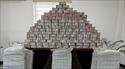
Iraqi authorities have seized IQD 27 billion (US$20.6 million) in connection with a corruption case involving a detained senior official at the Ministry of Oil. According to the Supreme Judicial Council (SJC), the funds were found hidden with a number of individuals linked to the case.
The investigating judge at the Central Anti-Corruption Criminal Court said the seizure followed close monitoring of financial proceeds alleged to have arisen from irregularities in projects carried out by the suspect, identified as Adnan al-Jumaili, the Under-Secretary of the Ministry of Oil for Refinery Affairs, who is currently detained. Investigations are continuing to identify all those involved.
30/07/2026
Iraq-Jordan Trade Ties Discussed
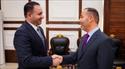
Iraq's Minister of Trade, Mustafa Nizar Jumaa, met on Sunday with the Jordanian Ambassador to Iraq, Dr Maher Salem Al-Tarawna, to discuss ways to strengthen economic and trade cooperation between the two countries.
According to Iraq's Ministry of Trade, the meeting included discussion of convening the Iraqi-Jordanian Economic and Trade Committee in Baghdad to follow up on shared files and advance bilateral cooperation.
Jumaa also highlighted the importance of Jordanian participation in the next session of the Baghdad International Fair, describing it as an opportunity to promote trade and investment partnerships.
30/07/2026
Diamond Exchange Launched in Doha

Qatar has launched a diamond exchange in a bid to position Doha as a regional hub for the global trade in rough and polished diamonds.
The Qatar Diamond Exchange, launched by the Qatar Free Zones Authority, will operate from the Ras Bufontas Free Zone and offer trading, vaulting, certification, membership and other industry services through a single regulated platform.
The exchange aims to establish a new gateway for global diamond trade in the country, connecting Doha to international diamond markets and supporting economic diversification under the National Vision 2030 initiative, according to Qatar News Agency.
Sheikh Mohammed Bin Hamad Bin Faisal Al-Thani, QFZ’s CEO and QDE’s chairman, said: “The Qatar Diamond Exchange represents an important step in Qatar’s efforts to further diversify its economy and strengthen its position as a trusted participant in global diamond trade. Building on Qatar’s participation in the Kimberley Process since 2021, we have established the regulatory and institutional foundations needed to support the growth of a new strategic sector for the state,”
He added: “Through QDE, we are bringing together the full diamond and precious stones value chain within a single regulated ecosystem spanning trading, storage, vaulting, auctions and tenders, and industry support services.”
Free zone incentives
The platform features a secure trading floor, private negotiation suites, an institutional-grade vault with biometric access control, 24/7 on-site security and surveillance, and on-site customs and certification facilities. These elements provide members with a seamless and secure environment for conducting business.
Membership is open to diamond traders, manufacturers, cutters and polishers, along with industry service providers and trade bodies. Members will have access to trading licenses, on-site assortment and independent valuation services, secure vaulting and specialist insurance.
The Ras Bufontas Free Zone offers qualifying businesses 100 percent foreign ownership and zero corporate tax. QDE also plans to host a calendar of rough and polished diamond tenders aimed at linking producers in Africa and Asia with buyers across Europe and the GCC.
Diversification drive
Financial experts told QNA the exchange would help broaden Qatar’s economic base by attracting international traders and investment, while creating opportunities for local businesses and strengthening the country’s position in the global diamond and precious stones market.
Ahmed Aqel, a financial expert, said the exchange would create a new strategic sector capable of expanding non-oil sources of income and transforming Doha into a regional and global center for diamond and gemstone trading.
Financial analyst Youssef Abu Haliqa described the launch as a strategic step toward attracting high-quality investments and advancing the objectives of Qatar National Vision 2030 by supporting the growth of the jewelry and diamond trade.
Qatar became a full participant in the Kimberley Process Certification Scheme for issuing rough diamond trading certificates in 2021.
The international accreditation system regulates rough diamond trading through government-issued certificates of origin and includes dozens of countries and entities to ensure transparency and legitimacy in global trade.
30/07/2026
Turkish President: Iraq Energy Cooperation Deal Sought
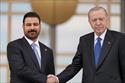
President Tayyip Erdogan said on Tuesday that Turkey aimed to sign a comprehensive energy cooperation deal with neighbouring Iraq as soon as possible after he held talks with Iraqi Prime Minister Ali al-Zaidi in Ankara.
Speaking at a joint news conference after a signing ceremony that had been expected to feature a deal to keep the Kirkuk-Ceyhan crude oil pipeline open for another year, Erdogan said Turkey's state-owned oil and gas company TPAO would operate in the Kirkuk oilfield used by BP. The sides did not sign the deal to extend the decades-old pipeline agreement, which governs exports through the pipeline and officially expired on Monday.
After signing three accords on cooperation in various fields, Erdogan said more agreements were expected, only for his ministers to abruptly brief him on stage and for the two leaders to then proceed to their remarks without further signatures.
"The Iraq-Turkey crude oil pipeline agreement ended yesterday. Our aim is to sign a comprehensive energy cooperation agreement that will benefit both sides as soon as possible," Erdogan said.
In a statement on X, Turkish Energy Minister Alparslan Bayraktar said TPAO had acquired a 15% stake in BP Energy Company of Kirkuk Limited (BPECKL), adding that this would allow the Turkish company to operate in the field.
"It will work together with BPECKL partners to bring the approximately 3 billion barrel reserve potential into production," Bayraktar said. BP confirmed the deal and said it welcomed the partnership with TPAO.
30/07/2026
Saudi Aramco Shuts Oil Refinery after Attack

Saudi Aramco shut down its 400,000 barrel-per-day Jizan oil refinery in Saudi Arabia on July 27 following an attack by Yemen's Houthi militants on Saturday, a note from consultancy IIR seen by Reuters showed.
The shutdown comes amid tight global fuel supplies, with disruptions in the Middle East and Russia's diesel export ban already constraining the market.
Refining profit margins have also surged, reaching record highs in some regions, underscoring the potential impact of the outage.
The attack damaged the plant's Integrated Gasification Combined Cycle complex and the tank farm area, the note said, adding that Aramco will tentatively complete repairs and restart the plant by August 15.
Aramco did not reply to a Reuters request for comment.
The refinery has exported more than 200,000 bpd on average over the past three months, Kpler data showed. Diesel and gasoil were the main export products, accounting for more than half of June's exports of around 170,000 bpd, while naphtha represented about 30%.
European diesel profit margins rose to a record high of US$70.77 a barrel on Tuesday, supported by attacks on Middle East oil infrastructure, disruptions to regional export routes including the key Strait of Hormuz, and Russia's ban on diesel exports.
Most of the refinery's naphtha exports go to Asia via the Bab el-Mandeb strait, which has been emerging as an alternative supply route to the Strait of Hormuz, which accounts for more than half of naphtha exports to Asian buyers.
30/07/2026
Libya Says Power Generation Units Go Offline after Gas Shortages Halt El Feel Oilfield
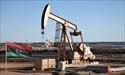
Libya's National Oil Corporation (NOC) said Tuesday that several electricity generation units have gone offline after a severe shortage of gas and fuel supplies caused by the closure of the Mellitah Industrial Complex by protesters.
In a statement, the NOC said a group of protesters stormed and shut down the Mellitah Industrial Complex, west of Tripoli, early Tuesday, forcing the suspension of operations and disrupting natural gas production and supplies.
The corporation said the complex is the main source of gas feeding Libya's coastal pipeline, adding that the disruption brought production at the El Feel oilfield to a complete halt and partially suspended operations at the Wafa field.
The resulting sharp decline in gas and fuel supplies needed to operate power plants has forced several electricity generation units out of service, it added.
The NOC warned that if the situation persists, it could further destabilize the national electricity grid, forcing additional generating units offline and increasing the likelihood of widespread power outages or even a nationwide blackout.
It also warned of risks to the safety of facilities and workers, complex technical challenges and significant losses in oil and gas production and national revenues.
Early Tuesday, Libyan protesters shut down the Mellitah Oil and Gas Complex as well as the headquarters of the Oil and Gas Ministry and Zueitina Oil Company in Tripoli to protest deteriorating living conditions and poor public services.
Libyan protesters declared a campaign of civil disobedience on Monday to demand improvements in electricity services, accountability for officials overseeing the power sector and urgent solutions to recurring water shortages, fuel scarcity and cash liquidity problems.
The protests coincide with an intense heat wave that has swept Libya in recent days, triggering widespread electricity outages across much of the country and extending power rationing to more than 14 hours in some areas.
Daily blackouts have affected both western and eastern Libya since the beginning of July.
The Tripoli-based Government of National Unity, headed by Abdul Hamid Dbeibah, has been working since 2021 to address the electricity crisis, and the sector has witnessed a remarkable improvement from 2023 to 2025.
Libya remains split between two rival governments: the internationally recognized Government of National Unity, headed by Dbeibeh and based in Tripoli, which administers western Libya; and a government appointed by the House of Representatives in early 2022, currently headed by Osama Hammad and based in Benghazi, which administers the east and most of the south.
For years, the UN Support Mission in the oil-rich country has sought to broker a political settlement leading to elections, which many Libyans hope will end the country's political divisions and armed conflict that have persisted since the 2011 ouster of Muammar Gaddafi.
30/07/2026
Egypt’s Wanda Deep Gas Well Starts Production
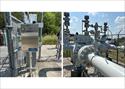
Khalda Petroleum has begun production from the newly discovered Wanda deep gas well in Egypt’s Western Desert, with an initial output of 40 million cubic feet per day (mmcf/d), Egypt’s Ministry of Petroleum and Mineral Resources announced.
Drilled to a depth of 15,000 feet, the well showed promising gas-bearing formations, with production testing confirming commercial potential.
The company invested US$2.3 million to build a 10-kilometre pipeline connecting the well to existing facilities, accelerating development.
The discovery supports Egypt’s efforts to increase domestic gas production, strengthen energy security and expand exploration activity in the Western Desert.
30/07/2026
OPEC+ Likely to Again Raise Oil Output Targets from September
OPEC+ oil-producing countries will likely agree a further hike in output targets from September when they meet on August 2, three sources said, even though the Iran war is again hindering some of its members from pumping more.
The group has been raising targets in recent months, hoping to recapture market share when the war ends. But their plans have been repeatedly delayed by renewed fighting and disruptions to oil flows from the Persian Gulf and in recent days from the Red Sea.
Seven core OPEC+ members, Saudi Arabia, Russia, Iraq, Kuwait, Algeria, Kazakhstan and Oman, will likely increase their output target by about 188,000 barrels per day for September, the same as for June, July and August, the sources told Reuters.
OPEC and Russian authorities did not immediately respond to a request for comment. All sources spoke on condition of anonymity and said no final decision had been made.
OPEC+ output is currently far below the quotas as the Iran war disrupts exports from GCC members. OPEC+ in June pumped 36.28 million bpd, down from almost 43 million bpd in February before the war began, OPEC figures show.
The August 2 meeting comes as oil prices have risen to US$100 a barrel amid renewed concerns over Persian Gulf exports after the collapse of a preliminary U.S.-Iran peace agreement, which had allowed shipments to increase through the Strait of Hormuz.
The Houthis have also attacked Saudi Arabian oil tankers in recent days, disrupting the main Persian Gulf bypass for Saudi exports.
The seven OPEC+ producers are boosting output as part of the phased rollback of a 1.65 million bpd supply cut agreed in 2023, when the group still included the United Arab Emirates, which left OPEC in May.
The seven have hiked their output quotas from April through August by 958,000 bpd. Another increase of roughly 188,000 bpd for September will fully unwind the 2023 cut taking into account the UAE exit, Reuters calculations show.
OPEC+ includes 21 members including Iran, but in recent years only the seven countries, and the UAE until its departure, have been involved in monthly production management.
30/07/2026
Tunisia Faces Power Outages Amid Heavy Reliance on Algerian Gas
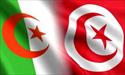
As demand hit a record 5,000 megawatts, Tunisia rolled out rotating power cuts this summer, exposing a grid still overwhelmingly reliant on Algerian gas even as solar capacity begins to expand.
30/07/2026
FAO Ranks Iran world’s Top Producer of Saffron, Roses & Dates
Iran ranked first in global production of saffron, Damask roses and dates in 2024, while placing second in pistachios, apricots, peaches and nectarines, according to data released by the UN Food and Agriculture Organization (FAO).
According to Mehr news agency, FAO data comparing 2024 production with 2023 showed Iran ranked between first and 13th worldwide in the production of 26 major horticultural products. Despite international sanctions, Iran improved its global ranking in the production of seven horticultural products and maintained its previous position in 12 others, the report said. Iran has faced Western sanctions for decades over its nuclear activities, pressure that has weighed most heavily on its oil and energy sectors.
Iran ranked third globally in the production of quinces, cherries and figs, fourth in apples, walnuts, sour cherries and plums, fifth in almonds and kiwifruit, and sixth in oranges. The country ranked seventh in the production of grapes, lemons and limes, other citrus fruits and edible mushrooms, according to the FAO data. Iran also placed eighth in hazelnut production, 10th in pears and 12th in mandarins. Production of olives, sweet lemons, grapefruit and green tea leaves ranked 13th globally in 2024, the data showed. - Iran Daily
30/07/2026
Engineering Contract Signed for Duqm Green Iron Project

Singapore-headquartered Meranti Green Steel (MGS) has awarded a contract to SMS Group and Midrex Technologies, Inc for the front-end engineering phase of its planned 2.5 million tonnes per annum (Mtpa) direct reduction iron (DRI) plant in the Special Economic Zone at Duqm (SEZAD), marking another milestone towards the project's anticipated Final Investment Decision (FID). The engineering contract will establish the technical foundation for the next stage of engineering and equipment supply for the facility, which forms the centrepiece of Meranti's low-carbon ironmaking venture in Oman.
Germany-based SMS Group is one of the world's leading suppliers of plant and equipment for the metals industry, while US-based Midrex Technologies is the global leader in DRI technology, with its MIDREX process accounting for the majority of worldwide DRI production. According to Meranti, the Duqm plant will deploy Midrex Flex technology, a direct reduction platform capable of operating on a blend of natural gas and green hydrogen, with the flexibility to increase the proportion of green hydrogen as supplies become available. "This supports MGS' transition pathway: competitive, low-carbon ironmaking from the start, with a route to reduce emissions further over time", the company said. The latest contract follows the appointment last month of the Minerals & Metals business of Indian engineering and construction major Larsen & Toubro (L&T) to execute the front-end engineering and design (FEED) package for the green iron project.
30/07/2026