Iran Targets Service Exports to Eurasia
Iran is aiming to export about US$10 billion worth of energy-related services, engineering expertise and goods to the Eurasian region by 2028/29, leveraging a free trade agreement as its main platform for expansion, an industry official said.
Hassan Kazemi, a board member of the Energy Export Federation of the Iran Chamber of Commerce, Industries, Mines and Agriculture (ICCIMA), said the free trade agreement with the Eurasian Economic Union offers the strongest and most suitable framework for Iran’s trade cooperation under current conditions, according to a statement from the Trade Promotion Organization of Iran (TPO).
He said the agreement provides a sustainable development platform, offering preferential access to regional markets and tariff reductions for a wide range of goods and components, including zero tariffs for up to seven product groups. Kazemi said trade engagement should go beyond basic goods such as food products, arguing that long-term focus should be placed on exporting technical and engineering services, knowledge transfer and high value-added products in sectors such as oil, gas and energy.
“These forms of cooperation strengthen cultural and professional ties and become embedded in the economic structures of target countries,” he said. Kazemi said more than 5,000 companies affiliated with the Energy Export Federation and related industry associations are ready to enter Eurasian markets. Achieving the US$10 billion export target, he added, would require comprehensive infrastructure preparation, including resolving banking, logistics and transport challenges, both maritime and overland, as well as addressing cultural and social requirements.
He stressed that traditional methods of moving equipment and components would not be sufficient, calling for an integrated supply chain covering services, goods and equipment. As previously emphasized by ICCIMA Deputy Head Payam Bagheri, the export of technical and engineering services creates dependency in the target market. He stated that the nature of exporting technical and engineering services is different, adding: “This type of export leads to dependency in the target market and generates wealth, which results in sustainable economic development.”
Back in October, Iran Chamber of Commerce, Industries, Mines and Agriculture, the Trade Promotion Organization (TPO), and the Association of Exporters of Technical and Engineering Services signed a tripartite memorandum of cooperation aimed at forming a joint committee to expand Iran’s export capacity in technical and engineering services.
The initiative, pursued by ICCIMA’s Committee for Technical, Engineering and Construction Services, seeks to revitalize Iran’s presence in regional markets by removing obstacles, coordinating with financial institutions, and streamlining export procedures. A representative from the Central Bank of Iran also attended the signing ceremony, expressing readiness to cooperate in implementing the agreement.
ICCIMA Head Samad Hassanzadeh called the signing “a meaningful and promising step,” saying that Iran urgently needs to expand exports. “Achieving this goal requires full institutional cooperation with a supportive and pragmatic approach. Regional countries recognize Iran as one of the largest exporters of engineering services, and demand for Iranian expertise remains high,” he said.
Hassanzadeh emphasized that collaboration among the TPO, Central Bank, and private sector can significantly enhance project execution and overall export value. “Iran possesses vast experience in engineering services, and by leveraging this strength through economic diplomacy, we can restore and expand our trade ties with neighboring countries,” he said.
TPO head Mohammad Ali Dehghan-Dehnavi described Iran’s history in engineering service exports as “illustrious,” noting that the sector once accounted for over 10% of the country’s total exports. Although this share has declined, he said the new cooperation framework aims to restore and surpass those golden years.
“Engineering service exports are the modern artistic expression of Iran’s technical expertise in global markets, and we must nurture and expand this presence,” Dehghan-Dehnavi said. He added that Iran targets US$6.0 billion in engineering service exports under this new roadmap, which includes coordinated efforts to identify projects, support contractors, and strengthen legal and diplomatic backing for exporters.
The deputy minister noted that the TPO, ICCIMA, and the exporters’ association would now operate within a unified framework, forming a powerful network to boost exports, with support from Iran’s commercial attachés in target markets.
Meanwhile, according to Sadreddin Niavarani, vice chairman of the Iran Chamber of Commerce’s export development committee, Iran’s private sector and traders have the capacity to double exports to some member states of the Eurasian Economic Union.
He said exports to Eurasian Economic Union members rose 16% in the first eight months of the current Iranian calendar year (March 21-November 22, 2025). He said Iranian exporters could increase agricultural shipments to markets such as Russia by as much as fivefold, replacing foreign competitors.
Niavarani said implementation of the free trade agreement with the Eurasian bloc had helped advance Iran’s export sector, adding that government measures to facilitate access for private companies and traders to markets such as Eurasia encourage exporters and ultimately boost shipments. He also highlighted the importance of infrastructure development, including rail transport and refrigerated rail freight for fruit and food products, in expanding exports to Eurasian Economic Union countries.
Iran’s Free Trade Agreement (FTA) with the Eurasian Economic Union (EAEU) has increased the competitive status of Iranian products. The agreement has created new opportunities for the promotion of Iran’s trade with the five members of the union. As the experts believe, it seems that economic cooperation between Iran and the EAEU will become a turning point in the near future.
The implementation of this agreement, which entered its operational phase in May, has created new opportunities for boosting Iran's trade with the five member countries of the Eurasian Economic Union. Iran's free trade agreement with Russia, Kazakhstan, Belarus, Armenia, and Kyrgyzstan has laid the groundwork for facilitating the export of goods, reducing tariffs, and increasing the competitiveness of Iranian products.
Experts believe that this agreement will not only strengthen Iran's export capacities but will also lead to the development of stable, long-term economic relations between Iran and the member states of the Eurasian Economic Union. - Tehran Times
05/02/2026
Record January Fuel Oil Exports from Kuwaiti Refinery Weigh on Asian Market
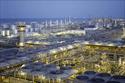
Kuwait's al-Zour refinery ramped up fuel oil exports in January to all-time highs after recovering from an outage, with most of its cargoes bound for Southeast Asia, ship-tracking data showed on Monday.
The surge in supply from Kuwait, a major fuel oil exporter, will boost availability in bunkering hubs such as Singapore and weigh on prices in Asia, traders and analysts said.
Kuwait's exports of very low sulphur fuel oil (VLSFO) exceeded 1 million metric tons (205,000 barrels per day) in January, for the highest monthly volume on record, data from Kpler and LSEG showed.
The rebound followed two months of near-zero exports, when fourth quarter production dropped after an outage in some parts of the 615,000-barrel-per-day al-Zour refinery.
HIGHER OUTPUT
The refinery, which resumed operations in the second half of December, is now running at nearly full capacity, a source familiar with the matter said on condition of anonymity.
Kuwait Petroleum Corp and its subsidiary KIPIC did not immediately respond to a request for comment.
"Weaker fuel oil demand from the power sector was a key contributor to this surge," said Palash Jain, Middle East oil market specialist at FGE NexantECA, in addition to higher refining output.
"Colder-than-normal winter conditions, along with higher electricity imports from Saudi Arabia, reduced Kuwait's power demand on a year-on-year basis," he added.
EXPORTS MOSTLY HEAD TO ASIA
Most of the VLSFO cargoes loaded in January were bound for Asia, with five cargoes set to arrive in Singapore, with others destined for Fujairah in the United Arab Emirates and Qatar.
"The VLSFO market is likely going to see pressure this quarter from the rise in Kuwait's exports," said Royston Huan, senior oil products analyst at Energy Aspects.
"This will exert further near-term pressure on hi-5 spreads, which are already at about US$50 per ton levels, led by strength in the high-sulphur fuel oil (HSFO) complex," Huan added.
The hi-5 spread, or price difference between VLSFO and HSFO, has narrowed by more than 30% from the start to the end of January, LSEG data showed.
Asia's spot premiums for VLSFO have softened after a brief rebound in mid-January, while the prompt February-March spread flipped into contango at end-January.
The term describes a market in which prompt prices are weaker than those in future months.
Since al-Zour came online in late 2022, Kuwait has become a major exporter of refined products, particularly VLSFO, to Asia and other shipping hubs in the Middle East.
05/02/2026
Slight Fall in Oman’s Oil Exports
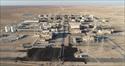
Oman’s oil exports recorded a slight decrease of 0.1 per cent by the end of December 2025, reaching 307,960,900 barrels compared to 308,422,100 barrels during the same period in 2024, according to preliminary statistics issued by the National Centre for Statistics and Information (NCSI).
The average price of oil recorded a 12.1 per cent decline, standing at US$71 per barrel by the end of December 2025, compared to US$80.8 per barrel during the same period in 2024, reported ONA.
Conversely, the average daily production of oil saw a slight increase of 0.9 per cent, reaching 1,002,000 barrels per day by the end of December 2025, compared to 992,600 barrels per day during the same period of the previous year.
Total oil production in the Sultanate of Oman rose slightly by 0.7 per cent, recording 365,754,400 barrels by the end of December 2025, compared to 363,288,500 barrels during the same period in 2024.
05/02/2026
Gas Supply Agreements Signed for Iraqi Field

Long-term gas sales agreements have been signed to supply natural gas from the Chemchemal field to major industrial consumers in the Kurdistan Region of Iraq. The agreements were announced by Dana Gas PJSC and Crescent Petroleum, together with their partners in the Pearl Petroleum Consortium. They provide for the supply of up to 142 million standard cubic feet per day (MMscf/d) of gas to cement and steel producers for a period of 10 years, starting in the second half of 2027, when production from the Chemchemal field is scheduled to begin. The gas will be delivered to industrial users in Erbil and Bazian through new private-sector pipelines, including a dedicated 40-kilometre pipeline linking the Chemchemal field directly to the Bazian industrial area.
The gas sales agreements were signed with the following industrial customers:
Mass Cement
Bazian Cement
Delta Cement
Gasin Cement
Sulaimani Cement
Van Steel Company
The cement producers are located in the Bazian industrial area of Sulaymaniyah province, while Van Steel Company operates in Erbil governorate. Earlier in 2025, the Pearl Petroleum partners began appraisal activities of the Chemchemal Cretaceous reservoir. The consortium has committed US$160 million to drill three wells, install an extended well test facility, and build associated infrastructure to support a future full-field development phase. The Chemchemal project follows the completion of the Khor Mor 250 gas expansion project in October 2025, which added 250 MMscf/d of processing capacity and increased total capacity to 750 MMscf/d. The Khor Mor gas plant supplies more than 80% of the Kurdistan Region's electricity generation and has attracted cumulative investment exceeding US$3.5 billion.
05/02/2026
Two Things OPEC+ Can Not Control. Trump & China Imports: Russell

There are two factors that are largely beyond the control of OPEC+ and they are likely to determine the price of crude oil in the coming weeks.
The first is whether U.S. President Donald Trump does decide to start a shooting war with Iran, and if he does whether both sides will be able to keep oil cargoes moving and production infrastructure intact.
The second is whether China, the world's biggest crude importer, decides to ease back on its recent run of strong imports in light of the 16% jump in benchmark Brent futures in January.
Given the current state of uncertainty gripping crude oil markets it made sense for the eight members of OPEC+ with output quotas to make no changes to production policy at their meeting on Sunday.
The eight OPEC+ members, which pump about half the world's oil, raised production quotas by about 2.9 million barrels per day from April through December 2025, roughly 3% of global demand. They then froze further planned increases for January through March 2026 because of seasonally weaker consumption.
In some ways things are moving in favour of the exporter group.
Prices are up, but not high enough to start sparking concerns about renewed inflation and weaker economic growth in importing nations.
Brent ended at US$70.69 a barrel on January 30, just shy of the six-month high of US$71.89 hit the previous day.
The market narrative of a supply glut has also largely disappeared from the media and analyst discourse, with the focus more on the reshaping of Venezuelan oil flows after the U.S. intervention that led to the seizure of President Nicolas Maduro, as well as the current tensions with Iran.
The Iranian situation is the biggest challenge OPEC+ faces, as it would not be in their interests to see a prolonged military conflict in the Middle East, even though they enjoy the likely US$7-US$8 risk premium in the current oil price.
While OPEC+ members such as Saudi Arabia can lobby Washington, ultimately it's likely that Trump will make his own calculations as to whether he can attack Iran and achieve whatever goals he seeks, while still keeping oil prices low enough to avoid public anger and inflation at home.
For now, the risk premium in crude oil is likely to remain until there is certainty on what actions the United States will take, and the consequences of those actions.
CHINA IMPORTS
However, one consequence of the rise in prices in January is that China may ease back on crude imports.
China's arrivals hit a record 13.18 million barrels per day (bpd) in December, and they are likely to have remained robust in January, with commodity analysts Kpler tracking seaborne arrivals of 10.4 million bpd, to which about 1 million bpd of pipeline imports need to be added, giving a total of around 11.4 million bpd.
The crude arriving in December and January would have been arranged three months to four weeks in advance, a window when oil prices were relatively weak, with Brent dropping to a seven-month low of US$58.72 a barrel on December 16.
With the current price above US$70 a barrel it's likely that China will trim imports to levels sufficient to meet consumption, and hold off adding crude to its strategic reserve.
China doesn't disclose flows into or out of commercial and strategic stockpiles, but it has been importing far more crude than it has been processing.
A calculation of China's surplus crude can be made by adding imports and domestic production together and then subtracting refinery processing.
On this basis China's surplus crude was 1.13 million bpd in 2025, and while not all of this would have been added to inventories, it is an indication that China was taking advantage of low oil prices to suck up much of the expected supply surplus.
Past episodes of sharp increases in crude prices have resulted in lower imports by China, and if this dynamic repeats it's likely that by late March and into April fewer tankers will be arriving at Chinese ports.
If China does trim imports by about 1 million bpd, that would likely result in the return of supply glut talking points, especially if whatever does unfold between the United States and Iran doesn't affect crude shipments and infrastructure.
Enjoying this column? Check out Reuters Open Interest (ROI), your essential new source for global financial commentary. ROI delivers thought-provoking, data-driven analysis of everything from swap rates to soybeans. Markets are moving faster than ever. ROI can help you keep up. Follow ROI on LinkedIn and X.
05/02/2026
Egypt Oil Ministry Targets Drilling 101 Exploratory Wells in 2026
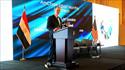
Minister of Petroleum and Mineral Resources Karim Badawi announced an ambitious 2026 roadmap featuring the drilling of 101 exploratory wells to bolster national reserves. Speaking at an American Chamber of Commerce (AmCham) meeting, Badawi confirmed that the Ministry successfully reversed the production decline to reach stability by the end of 2025.
Badawi emphasized that the primary goal for the coming year is to increase oil and gas production while continuing to meet domestic demand, according to a statement by the ministry. He noted that natural gas supplies have been fully secured for all national sectors since last July.
Moreover, Badawi identified private sector collaboration as a cornerstone of Egypt’s growth vision. To maintain investor confidence, the Ministry has committed to the regular payment of monthly dues to foreign partners.
Furthermore, the government has introduced flexible incentive packages designed to encourage upstream activities. These measures are paired with a strategic focus on regional connectivity, particularly strengthening energy ties with countries such as Cyprus.
Egypt is enhancing its capacity as a regional gas hub by deploying Floating Storage and Regasification Units (FSRUs). These units provide a total capacity of 2.75 billion cubic feet per day (bcf/d). This infrastructure ensures superior flexibility in securing the nation’s natural gas supplies.
In the refining sector, the Ministry is implementing major projects scheduled between 2026 and 2030 to achieve self-sufficiency. Key projects include the Middle East Oil Refinery (MIDOR) expansions, which will increase capacity to 160,000 barrels per day (bbl/d). Badawi also highlighted the Assiut National Oil Processing Company (ANOPC) diesel complex as a vital component of this transition.
Regarding the mining sector, Badawi talked about the plans targeting the increase of its contribution to the national Gross Domestic Product (GDP). The strategy leverages the mineral-rich Arabian-Nubian Shield and advanced infrastructure, including dedicated mining ports.
The Minister concluded his speech by thanking the AmCham for its positive role in driving cooperation between various industry stakeholders and all ‘partners in success’ from both international and local companies.
He praised the vital role played by workers in the petroleum and mining sectors, who represent the fundamental pillar for achieving this ambitious strategy. He emphasized that the synergy between the state and the private sector is the true guarantee for achieving prosperity and securing Egypt’s energy future.
05/02/2026
Iraqi Oil Ministry Reviews Progress at GGIP
The Ministry of Oil has reviewed progress on the Gas Growth Integrated Project (GGIP) in Basra during a site visit to the Artawi [Ratawi] oilfield. Undersecretary for Extraction Affairs Bassem Mohammed Khudair inspected key projects being implemented by TotalEnergies, in partnership with QatarEnergy and Basra Oil Company (BOC).
The visit covered the first Central Processing Facility (CPF1), where rehabilitation works are more than 80% complete and are expected to double production capacity from 60,000 to 120,000 barrels per day. The Artawi-PS1 export pipeline project was also inspected, with completion reaching 95%.
Mr Khudair also reviewed the accelerated gas investment project, with a design capacity of 50 million standard cubic feet per day, aimed at reducing gas flaring and utilising associated gas for productive purposes. The project is scheduled for handover in May 2026.
In addition, he was briefed on progress at the solar power project with a planned capacity of 1,000 megawatts, noting that the first phase is expected to add 250 megawatts to the national grid in March.
The ministry said work across the projects is advancing steadily, with around 7,100 personnel currently employed, 85% of whom are Iraqi nationals, alongside the participation of several local companies.
05/02/2026
Iraq to Build New Motorcycle Factory
Iraq's Council of Ministers has approved a new factory for the production of motorcycles and electric motorcycles. At its meeting on Tuesday, it approved the issuance of a licence to Babel Al-Dhahabiya Company for General Trading and the Trading and Manufacturing of Cars and Motorcycles.
05/02/2026