Intl. Rail Conference in Iran Sees 3 MOUs for Clean Energy, Fleet Modernization

Concurrently with the 19th International Rail Transport Conference, three cooperation memoranda of understanding centered on building solar power plants on railway lands, supplying 36 fully battery-powered locomotives, and refurbishing 24 out-of-service locomotives were signed in the presence of the Minister of Transport and Urban Development and a group of officials and rail industry figures.
According to an IRNA report, concurrently with the 19th International Rail Transport Conference, three cooperation and investment MoUs aimed at developing renewable energy, supplying fully battery-powered locomotives, and modernizing the rail fleet were signed in the presence of Farzaneh Sadegh, Minister of Transport and Urban Development; Mohammad Reza Rezaei Kuchi, Chairman of the Civil Engineering Committee of the Parliament; Abbas Soufi, Vice Chairman of the Committee; and Mohsen Tarztalab, Deputy Minister of Energy. These MOUs were concluded between the Islamic Republic of Iran Railways and a group of institutions, companies, and investment and technology groups active in renewable energy and rail technologies. Their main axes are clean energy development, attracting private-sector investment, fleet modernization, and increasing the operational capacity of locomotives.
The first MOU was signed between the Islamic Republic of Iran Railways and the Renewable Energy and Energy Efficiency Organization (SATBA). It was concluded with the aim of providing the ground for private-sector participation in building solar power plants on non-operational lands of railway stations. The second MOU was signed between the Islamic Republic of Iran Railways and Niruafarin Aras Energy Company with the aim of investing in, supplying, and operating 36 fully battery-powered locomotives for freight and passenger use. This MOU was signed with the participation of an Iranian consortium and a foreign consortium, and representatives of the participating parties attended the ceremony. The third MOU was signed between the Islamic Republic of Iran Railways and an investor and technology group consisting of Sadid Fam and Rezvan Power Electronics Industries. Its subject is investment in refurbishing 24 out-of-service locomotives and returning them to the operational cycle. These three MOUs were signed in line with linking investment and technology capacities with the needs of the country’s rail industry, centered on clean energy development, supplying a new fleet, and increasing the operational capacity of existing locomotives.
Chabahar rail connection to national network geopolitically important, corridors a priority: minister
The Minister of Transport and Urban Development, emphasizing the need to complete rail corridors and connect ports and production centers to the national network, cited the development of logistics infrastructure and the strengthening of regional cooperation as among the strategic priorities of the country’s transport sector. According to an IRNA report, Farzaneh Sadegh said on Tuesday at the 19th International Rail Transport Conference, emphasizing the strategic position of rail transport in economic development and increasing the country’s resilience: “Developing this sector, in addition to reducing economic costs and energy consumption, helps increase productivity, improve safety, and strengthen national resilience. Therefore, it has a central place in the policymaking, planning, and actions of the Ministry of Roads and Urban Development.”
Referring to the importance of rail transport in crisis conditions, she added: “The continuity of transport of essential goods, production inputs, and strategic goods, as well as passenger movement, is necessary for maintaining the flow of life and economic activity in the country.” The Minister of Transport and Urban Development, referring to the damage to the country’s rail infrastructure during the war, explained: “During the unjust war in which legal and international protocols were violated, the country’s infrastructure was also targeted. Damage to seven rail bridges showed how closely these infrastructures are tied to the country’s resilience and domestic connectivity.” Sadegh, referring to the importance of connecting Iran’s rail network to neighboring countries, continued: “The rail network must support the country’s supply chain by relying on sustainable infrastructure, a ready fleet, and capable human resources. Achieving this goal also requires simultaneous attention to fleet development and modernization, infrastructure maintenance, removing network bottlenecks, and improving operational productivity.”
Completing rail corridors and utilizing Iran’s strategic capacity
The Minister of Transport and Urban Development, emphasizing Iran’s opportunities in international transport, said: “The country’s position at the junction of regional routes will turn into sustainable foreign-exchange income and economic prosperity when we can provide competitive, regular, and reliable services—so that cargo owners can confidently decide on the time, cost, and quality of transport via Iran.” She cited the completion of rail corridors, active transport diplomacy, facilitation of border procedures, tariff coordination, and development of regular services as requirements for achieving this goal, and added: “The effective connection of ports, production centers, and logistics terminals to the rail network is also especially important, and private-sector transport and logistics companies are the country’s main partners in creating and maintaining competitive advantage.” Sadegh, referring to the implementation progress of the Chabahar–Zahedan railway project, stated: “In autumn 2024, the rail connection operations from Khash to Chabahar via Zahedan began. Before that, the rail connection of Zahedan to Khash had been carried out by previous governments, but this route had not yet been connected to Chabahar Port, while the rail connection of Zahedan to Chabahar is of strategic and geopolitical importance.” Appreciating the President’s support in securing resources for the Chabahar–Zahedan railway project, she stated: “Over the past two years, despite the country’s difficult conditions and the outbreak of war, about IRR 400 trillion (US$146.52 million) have been secured and allocated for the Chabahar–Zahedan railway, and we hope this project will become operational within the next one or two months.” The Minister of Transport and Urban Development considered the President’s continuous follow-up for railway development and connecting the rail network to ports a sign of the importance of this issue in the priorities of the 14th government, and said: “The events that occurred in the northern ports and the restrictions we faced in the southern ports revealed more than before the importance of rail connection of ports and the creation of alternative routes for cargo movement.” She also referred to the operation and boost in activity of the Aprin logistics center over the past two years and considered the development of this center an effective measure in strengthening the country’s logistics capacity.
Removing bottlenecks, modernizing fleet, and expanding private-sector investment
Sadegh, emphasizing that increasing the share of rail transport in freight and passenger movement cannot be achieved merely by developing lines, said: “Achieving this goal requires balance among infrastructure capacity, fleet, and service quality. Electrification of rail lines is also one of the important policies in this area, which is being pursued with priority for high-traffic and strategic corridors.” She added: “Success in electrification of lines requires coordination among line development, fleet supply, energy infrastructure, and operation systems, and cooperation between the transport and energy sectors is decisive in this regard.” The Minister of Transport and Urban Development, referring to the need to use new technologies in the rail industry, explained: “Digitalization and artificial intelligence can be effective in managing network capacity, predicting equipment failures, planning maintenance, increasing safety, and improving services. Blockchain technology, in appropriate applications, can also help with transparency and tracking documents and transactions.” Sadegh, stating that the criterion for using technology should be solving real problems and achieving measurable performance improvement, continued: “In the energy field, storage systems, modern power supply systems, and renewable energies have created new opportunities that should be used with precise technical and economic assessment.”
She considered the issue of supplying and ensuring the operational readiness of locomotives one of the important issues in the rail industry and said: “The shortage of traction power and the low availability of part of the diesel fleet have a direct effect on transport capacity and service quality. Over the past two years, this issue has been one of the main areas of follow-up by the Ministry Transport and Urban Development, the Railway Company, and the government, and with support for private-sector investors, the number of in-service locomotives and their operational readiness have improved somewhat; of course, these measures are still not enough and are being pursued seriously.”
The Minister of Transport and Urban Development, referring to the agreements and MOUs concluded with the private sector in the rail sector, said: “These investments are not limited merely to increasing the length of rail lines; rather, they also include identifying bottlenecks and main freight hubs and directing investment toward double-tracking and quadruple-tracking routes, removing network restrictions, and developing logistics centers and border terminals. Some of the MoUs in this area have also been concluded with neighboring countries.”
Sadegh, referring to the agreements to be signed on the sidelines of this conference, said: “Supplying fully battery-powered locomotives, refurbishing existing locomotives using battery-centric hybrid systems, and building solar power plants on railway lands are among the subjects of these agreements, which can provide the basis for linking investment and technology to respond to the needs of the rail industry.”
She appreciated the cooperation of the Ministry of Energy, SATBA, the Vice Presidency for Science, Technology, and Knowledge-Based Economy, investors and technology-owning companies, as well as the follow-up by the CEO and staff of the Railway Company, and added: “The formation of these cooperations shows that through synergy among executive bodies, universities, and the private sector, practical solutions can be found for the difficult issues of the rail industry.”
The Minister of Transport and Urban Development, emphasizing her ministry’s support for the effective presence of investors, said: “Developing the rail industry is not possible without the active participation of the private sector and the use of its financial and specialized capacities. Domestic and foreign universities and scientific centers also have a fundamental place in this path, and university-industry cooperation is expected to continue from the problem-definition stage through the design, testing, and evaluation of solutions.”
President stresses turning Iran’s geographical position into a sustainable transit advantage
The President, emphasizing the importance of an efficient and competitive network of transport and logistics infrastructure in turning the country’s geographical position into a sustainable advantage, added: “Completing rail corridors, connecting ports and production centers to the network, and expanding cooperation with neighboring countries can enhance Iran’s position in regional transit and provide the ground for increased trade exchanges and sustainable foreign-exchange revenues.”
According to a Tuesday IRNA report, Masoud Pezeshkian, in a message to the 19th International Rail Transport Conference, considered railway development an investment in the economic future and welfare of society and stated: “The progress of our great Iran requires infrastructures that support economic growth, preserve national resources, and improve the quality of life of the people. Rail transport is one of the most important of these infrastructures, which, by connecting production centers to domestic and international markets, reducing transport costs, and increasing the safety and sustainability of movement, can help strengthen production, develop trade, and increase the competitiveness of the country’s economy.”
The President, emphasizing the importance of an efficient and competitive network of transport and logistics infrastructure in turning the country’s geographical position into a sustainable advantage, added: “Completing rail corridors, connecting ports and production centers to the network, and expanding cooperation with neighboring countries can enhance Iran’s position in regional transit and provide the ground for increased trade exchanges and sustainable foreign-exchange revenues.”
Pezeshkian considered the future of rail transport dependent on the use of knowledge, technology, and innovation, and stating that smart network management, development of digital systems, electronic data exchange among the railway, customs, ports, and transport companies, and the use of new technologies in fleet maintenance must lead to increased safety, reduced transit time, and improved service quality, he emphasized: “It is expected that the country’s scientific and engineering community, in cooperation with industry and knowledge-based companies, will provide innovative and practical solutions for the priority issues and needs of this sector, and that executive bodies will provide the ground for utilizing these achievements.” - Tehran Times
15/11/2026
Iran Calls on ITU to Assess Damage to Its Communications Infrastructure

Iran’s Minister of Information and Communications Technology (ICT), Sattar Hashemi, has called for an impartial and comprehensive assessment of damage to the country’s communications and broadcasting infrastructure as well as technical recommendations for its reconstruction by the International Telecommunication Union (ITU).
On the sidelines of the ITU Plenipotentiary Conference 2026 (PP-26) in Doha, Hashemi met with Doreen Bogdan-Martin, Secretary-General of the ITU, stressing the need to expand technical and specialized cooperation between Iran and the organization.
He condemned the US and Israeli attacks on Iran and the damage inflicted on the country’s communication infrastructure, calling for the preservation of the ITU’s non-political and technical nature and international support for the protection of civilians.
Hashemi also called for follow-up on Iran’s request for an assessment of damage to its communications and information technology infrastructure and the provision of technical recommendations for reconstruction.
Referring to Iran’s analytical letter concerning the implementation of Resolution 1436, the minister called for a comprehensive, impartial, and evidence-based assessment of damage to the communications infrastructure of ITU member states, including Iran.
Hashemi further called for a technical assessment of damage to Iran’s telecommunications and broadcasting infrastructure and consideration of technical assistance and capacity-building support, stressing that an impartial approach was essential to preserving the credibility of the organization.
For her part, Bogdan-Martin underscored the importance of Iran’s active participation in the ITU’s activities, expressing the secretariat’s readiness to examine Iran’s request for an assessment of damage to its communications and broadcasting infrastructure through technical and expert channels.
Qatar hosts the International Telecommunication Union (ITU) Plenipotentiary Conference (PP-26) in Doha from 9 to 27 November 2026. The Plenipotentiary Conference (PP) is the highest policy-making body of the International Telecommunication Union (ITU), the United Nations agency for digital technologies. - IRNA
15/11/2026
Iranian Ambassador Meets Algerian Minister to Discuss Economic Coop.
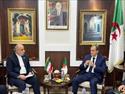
Algeria’s Minister of Foreign Trade and Export Promotion met with the Ambassador of Iran to review the status and prospects of bilateral economic and trade cooperation and ways to strengthen it. According to an ISNA report, Kamel Rezig, Algeria’s Minister of Foreign Trade and Export Promotion, met and held talks with Nasser Kanaani, the Ambassador of the Islamic Republic of Iran to Algeria, on November 11, in Algiers, the capital. According to a statement by Algeria’s Ministry of Foreign Trade and Export Promotion, during the meeting the two sides exchanged views on the status and prospects of economic and trade cooperation between the two countries and ways to strengthen it. Developing bilateral partnership and expanding areas of trade exchange in line with securing the common interests of the two countries were among other topics of the meeting. The two sides also examined the activation of the Iran-Algeria Joint Trade Council—a mechanism considered important for strengthening communication and coordination among the two countries’ economic actors, increasing trade exchanges, and identifying new opportunities for cooperation. - Tehran Times
15/11/2026
Trump Says US Does Not Need Iran Deal

President Donald Trump said on Thursday the US does not need a deal with Iran and directed Vice President JD Vance, who has played a role in efforts to resolve the war, to focus "his complete and total attention" on alleged crime and corruption in Democratic-run cities and states. Trump's directive came a day after the Wall Street Journal reported that Vance was considering face-to-face peace talks with a hard-line Iranian security official and a week after the vice president blamed the costly war with Iran for Republicans' midterm elections drubbing.
"We don’t need a deal with Iran. Those days have long since passed. We’ve got their money, Hundreds of Billions of Dollars, and we’ve got their Strait!" Trump wrote on social media, referring to the Strait of Hormuz. Trump had suggested in recent weeks that Iran would be more willing to strike a deal in the eight-month conflict after the US elections, but his administration this week signaled it believes its blockade and economic sanctions against Iran are working, meaning neither a military escalation nor diplomacy is needed. The US military is imposing a blockade on Iranian ports, while attempting to secure safe passage for international shipping through the vital Strait of Hormuz. Iran's military said on Thursday four oil tankers were hit by explosions after they ignored Iranian warnings. Vance's office did not immediately respond to a request for comment.
VANCE HAD LED IRAN DIPLOMACY
Vance, long seen as skeptical of the war the US and Israel launched on Iran in February, led talks with Iranian officials in Pakistan in April that produced a June memorandum of understanding that paused the war but broke down within weeks. Iranian state media said late last month Tehran had received a letter from Vance seeking renewed talks with Washington. Trump said he had not directed his vice president to make the outreach. Secretary of State Marco Rubio said on Tuesday after talks with US allies in Paris that Iran's demands for a potential deal were "absurd," citing its demand for reparations for the war, and said Trump would not sign a bad deal. The Wall Street Journal reported on Wednesday that Vance was considering meeting with a senior Iranian security official, a move that would have put Vance at the center of peace negotiations. Reuters has not confirmed the potential talks.
Vance, who is viewed as a leading contender for the 2028 Republican presidential nomination, distanced himself from the war last week after Republicans' midterm election rout by Democrats. The vice president blamed the costs of the Iran war in part for the party's losses. He also said an earlier recommendation to end the war was "sound advice." Trump responded to Vance's position by defending the war as necessary to stop Iran from obtaining a nuclear weapon. In his social media post, Trump said he had asked Vance to focus instead on a domestic issue the president previously put in his portfolio: leading an effort targeting alleged fraud in Democratic-run cities and states throughout the US. "Our Budget could be quickly BALANCED with the correction of this large-scale criminal activity. CORRUPTION is in the Democrat Leadership’s blood!" Trump wrote on Thursday. - Reuters
15/11/2026
Iran Tells COP31 It Wants Compensation for Environmental Damage from US-Israeli Strikes
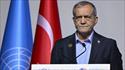
Iran's President Masoud Pezeshkian told the COP31 climate conference on Wednesday his country wanted compensation for environmental damage caused by US and Israeli strikes, saying the issue related to global efforts to fight climate change. "We expect the global community to establish a genuine and meaningful link between climate commitments in times of peace and responsibility in times of war, to document and assess the environmental damages caused by military aggressions and to develop compensation mechanisms," he said.
His comments were part of back-to-back speeches by heads of state on the third day of the two-week conference in Turkey. International climate agreements currently include billions of dollars in wealthy-country finance to help developing countries adapt to climate change and pay for its impacts, but there is no provision covering environmental impacts of military strikes. The US and Israel launched a military campaign against Iran in late February. The conflict, which spread to Lebanon and the GCC, has involved repeated strikes on energy infrastructure in Iran and across the wider region, as well as strikes on shipping. Iran has repeatedly attacked oil tankers navigating the Strait of Hormuz.
Those attacks have caused environmental damage, including substantial oil leaks. The Iran war may also have led to a reduction in overall global emissions. A report from a consortium of international scientists on Tuesday said global fossil fuel emissions are on track to fall slightly this year, in part due to high prices for fuel and expanded use of renewable energy in the wake of the conflict. - Reuters
15/11/2026
Station Fuel Cards Being Withdrawn to Curb Fuel Consumption in Iran

The executive deputy to the president said that the free-use cards of fuel stations are being gradually collected across the country. He said the reorganization of these cards aims to prevent fuel diversion and meet the needs of genuine consumers. Mohammad-Jafar Ghaempanah made the remarks on Thursday at a meeting with Hormozgan Province officials. Stating that about 30 million liters of fuel are smuggled out of the country every day, he said: "This volume of smuggling does not come directly from refineries. Most of it is carried out through rented cards."
Noting that smuggling fuel between provinces with the same prices is not economically worthwhile, he added: "Smuggled fuel has to be moved to other countries. That is why Iran's energy subsidy is, in practice, reaching Iraq, Afghanistan and Pakistan today." Pointing to the large gap between fuel prices in Iran and neighboring countries, the executive deputy said: "For example, a liter of gasoline in Pakistan costs about IRR 2,600,000 (95.23 cents). So even smuggling a thousand liters of fuel is profitable for smugglers, and they are willing to take this fuel out of the country at any cost."
Preventing Smuggling by Organizing Fuel Consumption
Stressing the need to respond to the daily smuggling of 30 million liters of fuel, Ghaempanah said: "The decisions taken on fuel reorganization are based on this, and aim to counter smuggling and stop the country's subsidized resources from leaving." Referring to the president's order to review the fuel situation in Hormozgan, he said: "Station free-use cards are being gradually collected across the country, and citizens use the fuel quota allocated to personal cards. Station cards have so far been collected in 11 provinces, and other provinces may be covered by this plan in the coming days and weeks." The executive deputy named the unauthorized use of station free-use cards as the main cause of the fuel shortage. "In some cases these cards were handed to other people, and the fuel obtained through them was moved to other destinations," he said. Describing the methods used to move fuel abroad, Ghaempanah said: "A large number of vehicles operate in this field, and their mission is to collect fuel from different provinces and move it to border areas to take it out of the country." He said planning to reorganize fuel cards has begun with the cooperation of the responsible bodies. "The plan is being implemented gradually in different provinces to prevent fuel from being moved from one province to another," he added. On measures for various occupational groups under the plan, the executive deputy said: "Efforts have also been made to set compensatory quotas for teachers, fishermen and medical staff, so that these groups do not face problems in obtaining the fuel they need."
Use of Alternative Fuels
Ghaempanah listed the expansion of alternative fuel use among the programs under way. "The infrastructure needed to use CNG and LPG has been provided so that these fuels can serve as a suitable substitute for the current fuel," he said. "These fuels are also of suitable quality." Referring to Hormozgan's LPG production capacity, he said: "The province is itself an LPG producer, and this capacity can be used to supply the fuel needed and expand consumption of this product in the province." The executive deputy announced a plan to increase the number of fuel stations in Hormozgan. "About 30 stations are due to be added to the province's fuel station capacity in the next week or two," he said. Ghaempanah stressed the need to develop public transport in Hormozgan Province. "I am making the necessary follow-ups to further develop the province's public transport fleet, so that by strengthening this sector, services to the people improve," he said. - Shana
15/11/2026
11 Provinces Face Possible Gas Stress: National Iranian Gas Co.

The managing director of the National Iranian Gas Company (NIGC) pointed to a roughly 13% drop in the country's gas production following damage to South Pars facilities. He warned of possible gas stress in 11 provinces and stressed that subscribers must help manage consumption to keep the network stable and ensure gas supply to industry. According to NIGC, Saeid Tavakoli spoke about the current state of the national gas network and the condition of gas and fuel reserves. "This year, despite a roughly 13% drop in the country's gas production following the attacks by the American-Zionist enemy on 27 Esfand on the facilities and four refineries of the South Pars Gas Complex, we managed to keep the national gas network stable," he said. "Diesel reserves in liquid fuel tanks have now exceeded 3 billion liters, and the gas needed by all consumers has been delivered to the network without restrictions." Referring to the performance of gas storage, he said significant records were set this year at the Shourijeh and Serajeh reservoirs. "At Shourijeh the storage record was broken for the second year running, and at Serajeh we reached a historic record for the first time," he said. Tavakoli said network stability has so far been satisfactory. "As we enter the cold season and the consumption mix changes, the household and commercial sectors' share of gas use rises and the volume available to other sectors falls," he said.
60 mcm Rise in Gas Consumption
On consumption in recent days, Tavakoli said: "Since Saturday, gas consumption has risen by about 60 million cubic meters. We forecast that by the end of the week it will reach about 70 million cubic meters above last week's level." On the return of lost production capacity, he said: "The plan was to bring 100 million cubic meters of lost capacity back into the production cycle before the cold season began. That figure has now reached an average of more than 95 million cubic meters." Asked about the provinces with the highest gas consumption and about energy management programs, the NIGC chief said consumption in each province is directly tied to the number of subscribers and their consumption mix. "For example, on cold days at peak demand, Tehran Province uses about 125 million cubic meters of gas, and the share of other provinces in the network and distribution is managed in proportion to that," he said. Tavakoli added: "To examine provincial consumption patterns more closely, we need to look at each province's consumption mix, which differs from one province to another. In Mazandaran, for example, about 94% of gas consumption goes to the household and commercial sectors. So even the smallest effort by subscribers in these two sectors to cut consumption can contribute significantly to the stability of the gas network." He said: "Overall, gas consumption in each province varies with population, the number of subscribers and the consumption mix, and provincial consumption patterns cannot be assessed by comparing volumes alone."
Monitoring of Executive Bodies Through the Cold Months
Referring to measures taken on energy consumption management, the NIGC chief said: "One of this year's important steps, given the assigned duties, the president's emphasis and discussions at numerous meetings of the officials concerned, was defining a consumption baseline for each province. This baseline gives us a clearer consumption pattern and lets us assess the reduction in each province more precisely." Tavakoli continued: "For government offices, in addition to the statutory duties, executive bodies have been required, on the president's instruction, to cut their gas consumption by 20% relative to their set allocation. Implementing this can make an effective contribution to managing the network and supplying gas to productive and industrial sectors." On standard temperatures for executive bodies and household subscribers, he said: "In the administrative sector, 18°C has been set as the requirement. To ensure compliance, NIGC's inspection, monitoring and oversight teams began work on the 15th, after a drill the day before, and this will continue to the end of the cold season." The NIGC chief added: "In households, under the set standards, the comfort range is 18 to 21°C. Besides helping the health of individuals and families, observing this range plays an effective role in reducing energy consumption and maintaining the stability of the country's gas network."
70% of Subscribers in the First Tariff Tier
On incentives for efficient consumers and programs to correct the habits of high consumers, Tavakoli said: "A normal consumption volume has been defined for subscribers. Fortunately, about 70% of the country's gas subscribers are in the first tariff tier. They are what we call efficient consumers and use gas in line with the set pattern." He added: "About 18% of subscribers are in the second tier, whose consumption is classed as moderate. But subscribers in the third and fourth tiers fall into the wasteful and highly wasteful groups, because their consumption does not match the baseline and the pattern set for their city of residence." The NIGC chief continued: "The company deals with subscribers under the tariff system and its statutory duties, and in my view part of the correction in consumption behavior is possible through this tariff mechanism. For example, this year the fourth-tier tariff for very high consumers has risen to a level close to the export price of gas."
Tariff Increases Applied in Tiers
Explaining the tariff mechanism, Tavakoli said: "Gas tariff increases are applied in tiers, in proportion to subscribers' consumption. The important point is that last year only about 1.33% of subscribers were in the fourth tariff tier, yet that same group consumed nearly 6% of the country's gas. The tariff approach is therefore pursued to achieve fairness in consumption and to align what people pay with how much they use." On action against unauthorized gas use and illegal connections, he said: "This year there is a serious determination in the country to deal with these cases. These violations are seen only in some affluent areas, garden villas and villages outside the legal boundary and approved urban fabric. Cases identified through reports will be dealt with legally, meaning that besides cutting illegal connections, legal fines will also be imposed." On gas supply this winter, the NIGC chief said: "This year we face an exceptional and very difficult year for gas supply. At least 11 provinces are exposed to gas stress, and the situation will be more widespread in three of them: Mazandaran, Golestan and North Khorasan." Stressing the need for public cooperation, Tavakoli said: "Nevertheless, these programs can only succeed through collective will, effort, empathy and the cooperation of subscribers, because in winter about 80% of the gas injected into the network goes to the household and commercial sectors." He said: "If subscribers lower their home temperature by just one degree, the savings could equal the output of one South Pars phase. This shows that even small steps in consumption management can make a big contribution to the stability of the country's gas network without affecting families' quality of life or comfort."
Efficiency Gains Are Not Limited to Power Plants
On gas supply to the country's industries and the possibility of restrictions in this sector, the NIGC chief said: "There are about 12 consumption codes in industry, and some fall into the uninterruptible category, including food and pharmaceutical industries, which are directly tied to food security and public health. Even when the network is under strain, these industries are never included in any gas cut plan." Tavakoli added: "Alongside this group are major industries such as steel and petrochemicals, to which we have so far applied no supply restrictions, despite the roughly 13% drop in the country's gas production following damage to facilities. Of course, if gas consumption has fallen in some of these industries, part of that is due to damage done to industrial facilities and complexes during the war." Stressing industry's role in the economy, he said: "In the industrial sector we are not dealing merely with gas consumers, but with a set of productive sectors that turn gas into products, added value, jobs and national output." The NIGC chief continued: "Energy efficiency and higher yields are not limited to power plants and must be pursued seriously in industry too. The country's producers and industrialists must recognize that energy and how it is used is one of the most important issues in the national economy." Referring to industry's share of national gas consumption, Tavakoli said: "In 1404, for example, about 37% of all the country's gas was consumed in industry. So if even limited attention is paid to energy efficiency and higher yields in this sector, it will have a significant effect on gas supply to other sectors."
Industries Face No Gas Restrictions
Pointing to the importance of supplying gas to small industries and production units, he added: "Another point to consider in industry is gas supply to small industries and productive businesses. Fortunately, this year not even one billion cubic meters has been cut from these sectors' share. This has been pursued on the president's instruction, to support small industries and preserve jobs, because despite their smaller consumption these units play an important role in the country's production chain and employment. So far we have applied no restrictions on gas supply to industries." The NIGC chief described diversifying industries' fuel baskets as one of the key ways to manage gas consumption. "The second and very fundamental point is the need to diversify industries' fuel mix," he said. "In the cement industry, for example, part of the fuel needed by units in the warm season can be switched to liquid fuel, including fuel oil. This is one way of managing gas consumption that has been tried in practice. Within the fuel basket it provides to industries, the Oil Ministry uses this capacity to allow better management of gas consumption." On whether this approach will continue through the rest of the cold months, Tavakoli said there are two fundamental challenges to consider. "The first is the chronic, accumulated imbalance we have faced over past years, which has meant a 250 to 300 million cubic meter shortfall in gas supply at peak demand," he said. He added: "The second challenge is the new loss of production capacity from war damage, which has added about 130 million cubic meters to these limits. As I said, of the total 230 million cubic meters of lost capacity, about 100 million has so far returned to the production cycle, and about 130 million of it remains outstanding."
Each Cubic Meter of Gas Trades at About IRR 840,000 (30.76 cents) on the Energy Exchange
The NIGC chief called the cooperation of household and commercial subscribers in managing consumption the main way through the coming period. "On peak days, about 80% of the country's gas goes to these two sectors," he said. "Every bit of savings in household and commercial consumption allows more gas to be allocated to power plants and industries, and helps keep the production cycle and the country's economic activity going." On how the energy savings certificate scheme works and how subscribers benefit economically, Tavakoli said: "Fortunately, the Seventh Development Plan Law, particularly Article 46, provides suitable mechanisms for this. The Article 90 Commission of the Majlis and other officials and individuals concerned with implementing this law have followed it up effectively." He added: "NIGC has defined the operational mechanism for this through operating companies. There are now 112 companies under contract in this area, and their activity is operational."
Describing the scope of these companies' work, he said: "Operating companies work in six areas, all of which can help improve energy efficiency. Gas savings certificates are issued in proportion to the savings achieved, and operating companies can benefit from them." On the economic value of the certificates, Tavakoli said: "To grasp their economic value, it is enough to know that at peak consumption, each cubic meter of gas has traded on the energy exchange at up to about IRR 840,000 in the form of a savings certificate." On the scheme's benefits for households, he said: "When a home is made more efficient and its gas consumption falls, it may move out of the higher consumption tiers and the wasteful and highly wasteful groups, and as a result that family's gas bill also falls." The NIGC chief added that about 70% of operating companies' work goes to measures such as upgrading and digitizing boiler rooms, using high-efficiency heaters and improving consumption management systems.
Tavakoli continued: "Alongside these measures, some programs are carried out with support and under the relevant approvals. For example, about 190,000 heaters have so far been distributed across the country, focused mainly on cold-climate provinces and families covered by the State Welfare Organization and the Imam Khomeini Relief Foundation. Investor and operating companies draw on this capacity in their own projects." Explaining who benefits from efficiency projects, he said: "Successful implementation benefits everyone. Some companies have set up subscriber wallets and pay the profit from savings into these accounts. In effect, when a operating company achieves savings, four parties benefit. First, the government, which no longer needs to build new, costly energy production infrastructure. Second, the consumer, who pays less as consumption falls. Third, the environment, which benefits from reduced pollution from burning fossil fuels. And fourth, the operating companies, a considerable number of which are knowledge-based and earn their income by carrying out efficiency projects."
Savings Certificates as a Financing Tool
On the difference between advance and conventional savings certificates, the NIGC chief said: "An advance savings certificate is essentially a tool to help operating companies and provide the financing they need. These companies sometimes have good ideas and plans for cutting consumption but face limits on investment to carry them out." Tavakoli added: "Under this mechanism, a certificate is issued in proportion to the estimated savings a project is expected to achieve, and the company can use it as financial backing. The certificate can also be traded on the energy exchange, and the proceeds can help fund the efficiency projects." He continued: "NIGC has so far distributed a significant number of these certificates, and the process is ongoing. Any operating company that can document the savings expected from its project can use this facility, even if the savings figure is only an estimate at first and the actual amount is assessed after the project is completed." - Shana
15/11/2026
Tehran Gas Co. Cuts Gas to 6 Govt. Bodies over Heating Violations

The managing director of the Tehran Province Gas Company announced that gas flow to the Ministry of Education and five other government buildings in the capital has been cut for failing to observe the comfort temperature and for leaving heating systems on during a holiday.
According to the Tehran Province Gas Company, Alireza Avani pointed to rising gas consumption in Tehran Province, which topped 98 million cubic meters on Wednesday (20 Aban). He said: "Under a cabinet resolution, the temperature in office buildings must be set at 18°C, and offices' heating systems must be switched off on holidays."
He added: "To that end, special gas consumption management patrols inspected the buildings of executive bodies on Thursday, even though offices were closed. These checks found that, despite earlier warnings and with no staff present, the heating systems of some buildings were still on and the notified requirements had not been observed."
The managing director of the Tehran Province Gas Company continued: "After unannounced visits and the observation of violations, Gas Company inspectors cut the gas supply to the Ministry of Education, the Ministry of Education's deputy office, the Statistical Centre of Iran, Branch 1 of the Social Security Organization, the Cooperative Development Bank building (Ministry of Cooperatives) and the Research Institute of Culture affiliated with the Ministry of Culture and Islamic Guidance."
Referring to the country's energy supply situation, Avani urged citizens to take gas consumption management more seriously this year than in previous years. He asked them to follow consumption patterns, set their heating devices appropriately and avoid unnecessary use, so as to help keep the gas network stable and ensure heating for fellow citizens, particularly in the country's cold regions. - Shana
15/11/2026
UAE's Dragon Oil Eyes Output Hike by 2030
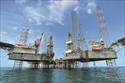
Dragon Oil, a subsidiary of Emirates National Oil Company (ENOC) Group, aims to increase its oil production to 200,000 barrels per day by 2030, up from approximately 150,000 barrels per day currently, under an expansion plan that includes increasing investments in its existing areas of operation and exploring new opportunities in the Middle East, Africa and Southeast Asia.
Abdulkarim Ahmed AlMaazmi, CEO of Dragon Oil, told the Emirates News Agency (WAM) on the sidelines of the Abu Dhabi International Petroleum Exhibition and Conference (ADIPEC 2026) that the company continues to implement its expansion plans, drawing on 26 years of experience in the energy sector.
He explained that Dragon Oil began operations in Turkmenistan, where it secured a 25-year concession that was subsequently extended to 35 years. In 2019, the company acquired a concession in Egypt's Gulf of Suez and also holds a 30% stake in Iraq's Al Faihaa Field. Its operations are currently concentrated in these three countries.
AlMaazmi said the company is pursuing growth through two avenues. The first involves expanding within its existing areas of operation by exploring investment opportunities in Turkmenistan, Egypt and Iraq. The second focuses on entering new markets, particularly in the Middle East and Africa, while assessing opportunities in Southeast Asia, especially Malaysia and Indonesia.
He noted that Dragon Oil has participated in ADIPEC approximately seven times since 2018, highlighting the exhibition's role in bringing together energy producers, consumers, contractors and decision-makers under one roof, providing opportunities to explore cooperation, conclude deals, learn about the latest technologies and benefit from specialised expertise.
AlMaazmi affirmed that ADIPEC is a leading global platform for the oil and energy industry, reflecting Abu Dhabi's and the UAE's position in bringing together leading industry decision-makers and experts, fostering cooperation and supporting the development of the global energy sector.
15/11/2026
Budget Carrier Launches Direct Madinah–Damascus Flights

Saudi Arabia’s low-cost airline flyadeal has launched twice-weekly non-stop flights between Madinah and Damascus, expanding its network in Syria and offering passengers a new direct connection between the two cities.
The new route complements the airline’s existing Jeddah–Damascus flights, which operate three times a week, according to a press statement.
Linking Madinah, home to the Prophet’s Mosque, with Damascus, the route is expected to support demand for religious travel and strengthen air connectivity between the Kingdom and Syria.
The move also aligns with Saudi Arabia’s Vision 2030 tourism ambitions, which include attracting 150 million visitors annually by 2030.
Lloyd Misquitta, acting chief commercial officer at flyadeal, said: “Madinah holds deep religious significance for Muslims around the world, and direct air links play an important role in making the Holy City more accessible.”
Misquitta added: “Our new service from Damascus provides a convenient travel option for passengers visiting Madinah for religious purposes or to connect with family and friends. Together with our existing Jeddah flights, this expansion strengthens connectivity between Saudi Arabia and Syria while offering passengers greater choice and convenience.”
Aircraft and flight timings
The flights between Madinah and Damascus are operated by flyadeal’s Airbus A320neo aircraft.
Flights from Madinah to Damascus depart on Sundays at 13:00 Saudi time and arrive at 15:05, while Wednesday services depart at 12:40 and arrive at 14:45.
Return flights from Damascus to Madinah leave on Sundays at 16:05 and arrive at 18:10, while Wednesday services depart at 15:55 and arrive at 18:00.
Syria seeks to restore economic links
The expansion comes as Syria seeks to rebuild its economy after more than a decade of conflict, with international financial institutions increasing their engagement and authorities pursuing economic and financial reforms.
The International Monetary Fund said in August that the country’s recovery was gaining momentum and projected double-digit economic growth in 2026. It urged the authorities to maintain progress through fiscal, banking and structural reforms.
In October, Syria and the World Bank Group agreed to establish the Syria Recovery and Reconstruction Trust Fund, known as START, to support reconstruction, attract investment and encourage private-sector financing.
Syria has also received US$493 million in grants from the World Bank’s International Development Association to support electricity, healthcare, water, education, public finances and the financial sector.
15/11/2026
Vaalco Drills Five Wells in Egypt in Q3 2026

Vaalco Energy, an American independent oil and gas company, drilled and completed five development wells in Egypt during the third quarter (Q3) of 2026, in addition to completing two additional wells in October, the company’s Q3 2026 operational and financial results press release noted.
Vaalco said it would continue to successfully execute workovers, well interventions, well reactivations, water shut-off treatments, and production optimization activities that are contributing to the organic growth of the Company’s production and reserves in Egypt.
In May 2026, Vaalco began drilling the HE-9 development well in the Gulf of Suez and completed it in early June, followed by two additional development wells completed in July.
“In Egypt, we continue with our successful drilling program that is profitably increasing production,” said George Maxwell, CEO of Vaalco Energy.
Vaalco reported a net loss of US$39.8 million in Q3 2026, including US$34.7 million in unrealized hedging losses, compared with net income of US$42.4 million in Q2 2026 and US$1.1 million in Q3 2025.
The decline in earnings from Q2 was driven primarily by hedging losses and depletion expenses, partially offset by higher revenues than in Q3 2025.
Despite the net loss, the company’s adjusted earnings before interest, taxes, depreciation, and amortisation (EBITDAX) came 30% quarter-on-quarter (QoQ) to US$71.1 million, nearly three times the Q3 2025 level, supported by higher realised commodity prices and sales volumes.
“The third quarter results continue to demonstrate our ability to successfully execute on our strategy as we deliver on our forecasts and grow production in a strong commodity price environment,” Maxwell said.
Vaalco completed its drilling campaign in Gabon, bringing the ETSEM-3H development well online and releasing the drilling rig in early October. The campaign included five wells at the Etame field, contributing to a year-on-year (YoY) increase of nearly 2,500 bbl/d in working interest production.
In Côte d’Ivoire, the company resumed production at the offshore Baobab field in June and completed its first sales lifting in August. It subsequently launched its Phase Five drilling campaign in September, targeting completion of the first well by the end of 2026, with additional wells expected to come online during the first half of 2027.
Founded in 1985, Vaalco maintains a diversified portfolio of production, development, and exploration assets across Egypt, Gabon, Côte d’Ivoire, Equatorial Guinea, and Nigeria.
15/11/2026
Libya’s NOC Announces October Oil & Gas Output
Libya’s crude oil production reached approximately 43.47 million barrels in October 2026, according to the National Oil Corporation (NOC). The state’s share amounted to 34.61 million barrels, compared with 7.48 million barrels allocated to partners, while 6.29 million barrels were available for export by the end of the month.
The state’s share included 30.03 million barrels allocated for export, 4.29 million barrels transferred to refineries, and around 282,900 barrels supplied to power stations. Meanwhile, the average price of Brent crude stood at US$116.767 per barrel in September.
In the natural gas sector, production reached approximately 77.8 billion cubic feet, including 75.98 billion cubic feet available for consumption. Of this amount, 56.79 billion cubic feet was consumed, while 19.18 billion cubic feet consisted of low-pressure hydrocarbon gases.
Regarding revenues, oil transfers to the sovereign account at the Libyan Foreign Bank amounted to approximately US$3.12 billion in October, while royalties and taxes from concession agreements under the Ministry of Oil reached around LYD 2.69 billion (US$419.5 million).
The NOC explained that revenues collected in October from September oil exports were sufficient to cover fuel import credits through the Libyan Foreign Bank, in accordance with the approved 2026 spending agreement. The remaining balance will be transferred to the Central Bank of Libya.
15/11/2026
AGOCO Connects New Wells at Libyan Field
AGOCO reported that it has successfully completed a new technical project at the Sinawen field by connecting five vital wells at the field: G2, C1, S1, S2, and Q3. It said this comes as part of its strategy to support production operations and enhance well efficiency.
AGOCO said all connection work has been successfully completed, and the wells are now technically ready to be integrated into the production and oil transport system, pending the finalization of a few remaining logistical requirements.
The company said this achievement reflects the value of fruitful cooperation and the integration of expertise across the company’s departments, as well as the high level of field proficiency demonstrated by the technical team.
AGOCO said this success reaffirms the importance of investing in national talent and uniting efforts to leverage available resources in support of the production sector, thereby preserving and advancing the company’s assets.
15/11/2026
Baghdad Digital Data Centre Opens

A new data center has opened in Baghdad, aimed at localising data storage within Iraq and providing digital infrastructure for government institutions. Minister of Communications Mustafa Jabbar Sanad opened the Baghdad Digital Hub (BDH), a digital infrastructure and data center project developed by local company Ankido.
15/11/2026
Positive Results from Egypt's Nessim-1X Gas Exploration Well
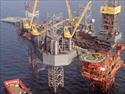
Egypt’s Ministry of Petroleum and Mineral Resources has announced positive results from drilling the Nessim-1X natural gas exploration well in the Temsah concession in the Mediterranean Sea, according to a statement.
Drilling and preliminary evaluation have revealed a gas-bearing layer with favorable petrophysical properties. Initial estimates indicate approximately 200 Bcf of natural gas in the reservoir, the statement said.
Nessim-1X is located in the Temsah concession, where Italy’s Eni serves as the operator in partnership with Australia’s Woodside. Petrobel, the operating company, carried out the drilling on behalf of the partners.
Technical and reservoir studies are ongoing to further evaluate the reservoir, determine recoverable reserves, and assess the well’s production potential ahead of the preparation of a development and production plan, the ministry said.
Plans are also underway to connect the well to existing production facilities through an approximately 22-kilometer gas pipeline linking it to the Abu Madi-El Gamil pipeline. The connection would allow the partners to use existing infrastructure, shorten the time needed to bring the discovery into production, and support Egypt’s domestic natural gas output, the ministry added.
The discovery comes amid increased exploration and appraisal activity across Egypt’s concession areas, supported by an improving investment climate in the oil and gas sector and the settlement of outstanding payments owed to investment partners.
15/11/2026
Harbour Energy Starts Production from EZZ-2 Discovery in Egypt’s Disouq Area

UK-based independent energy company Harbour Energy brought its EZZ-2 discovery in Egypt’s Disouq area online in the third quarter (Q3) of 2026, after successfully tying it into existing infrastructure, the company noted in its trading and operations update.
Harbour said EZZ-2 was connected to existing facilities and began production in Q3, supporting its efforts to replenish reserves and sustain output. The development formed part of the company’s exploration successes during the first nine months of the year, alongside the Omega Sør discovery in Norway.
Egypt contributed approximately 21,000 barrels of oil equivalent per day (boe/d) to Harbour Energy’s North African production in 2025, which averaged 31,000 boe/d, driven by output from the company’s Greater Disouq concession and its 17.25% stake in the bp-operated West Nile Delta project, including the Raven field.
The EZZ-2 development builds on the company’s exploration activities following improved commercial terms agreed with the Egyptian Natural Gas Holding Company (EGAS) in May 2025. The revised framework for Greater Disouq includes a higher gas price, increased cost recovery, and an expanded license area in exchange for a drilling program across the existing and newly awarded areas.
Harbour had previously reported that EZZ-2, discovered in October 2025, was successfully appraised in the first quarter of 2026. The company estimated that the discovery could add reserves equivalent to approximately one year of its existing North African production. Its EZZ-1 discovery was also brought onstream in January 2026, two months after its discovery.
At the group level, Harbour’s revenue increased 29% year-on-year (YoY) to US$9.8 billion during the first nine months of 2026. Earnings before interest, taxes, depreciation, amortization and exploration expenses (EBITDAX) rose 26% to US$6.8 billion, while free cash flow doubled to US$2.4 billion from US$1.2 billion.
Group production averaged 501,000 boe/d during the period, up 6% YoY. The increase was supported by the integration of its LLOG assets in the US and Waldorf assets in the UK, which offset natural declines in the UK and divestments in Southeast Asia.
Harbour raised its full-year 2026 production guidance to 500,000-505,000 boe/d, from its previous forecast of 490,000-500,000 boe/d. It also increased its free cash flow outlook by US$800 million to approximately US$2.6 billion, reflecting higher production and stronger oil and European natural gas prices.
The company reduced its net debt to US$5.1 billion at the end of September 2026, down from US$5.4 billion at the end of June, and announced an additional US$150 million share buyback, bringing its expected shareholder returns for the year to at least US$1.2 billion.
15/11/2026
Federation of Saudi Chambers, US Chamber of Commerce Ink MoU

The Federation of Saudi Chambers and the US Chamber of Commerce signed a memorandum of understanding, aimed at strengthening trade and investment cooperation between Saudi Arabia and the US.
The agreement seeks to expand collaborative opportunities between the business sectors of both nations and was signed on the sidelines of the B20 Summit, currently being hosted in Washington, D.C.
The signing took place during a session titled “Saudi-US Innovation: From Vision to Value,” organized by the US Chamber of Commerce.
The session was attended by the Deputy Chief of Mission at the Saudi Embassy in the US, Nawaf bin Khalid Al-Issa; Sultan bin Mohammed Al-Musallam, secretary-general of the Federation of Saudi Chambers; as well as various officials from the US Chamber of Commerce and representatives from the business community.
In his remarks, Al-Issa highlighted the depth of the economic relationship between the Kingdom and the US.
He noted that the partnership has evolved continuously, expanding beyond traditional sectors into new areas, such as artificial intelligence, digital technologies, advanced manufacturing, and infrastructure, in line with the economic transformation currently underway in the Kingdom under Saudi Vision 2030.
Al-Issa further stated that the total value of investments by the Public Investment Fund in the US has reached approximately US$170 billion since 2017.
He underscored the importance of sustaining this investment partnership and fostering further cooperation across future-oriented economic sectors.
Al-Musallam reviewed developments in the Kingdom’s business environment and the role of the private sector in achieving the goals of Saudi Vision 2030.
He noted that Saudi Arabia has implemented over a thousand economic reforms over the past decade, aimed at improving the business environment and enhancing the competitiveness of the economy.
He also highlighted initiatives offered by the Federation of Saudi Chambers to facilitate the entry of international investors into the Saudi market and to support companies at various stages of establishing their operations.
Held in Washington from Nov. 9 to 11, the B20 Summit brings together leaders from the business sector and international economic institutions to discuss priorities regarding economic growth, trade, investment, and innovation.
15/11/2026